
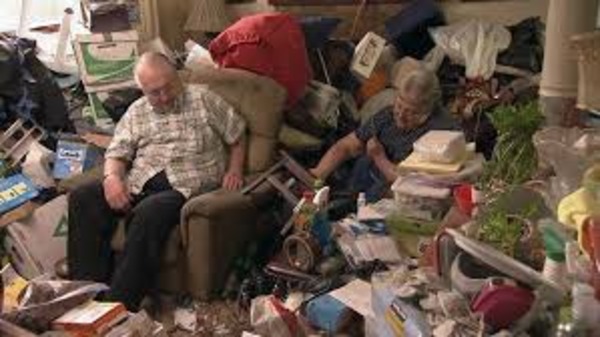

Cleaning out a hoarded home is only half the battle. The harder part comes afterward, keeping that space livable for months and years rather than watching clutter slowly take over again. Real hoarding assistance goes beyond a one-time cleanout. It combines professional cleanup with organizing systems, mental health support, and ongoing maintenance strategies that actually stick.
3 Core Types of Professional Hoarding Assistance
Effective hoarding support requires a team approach, with different specialists addressing different aspects of the challenge. Understanding these core service types helps families choose the right combination of support for their situation.
1. Hoarding Cleanup and Decluttering Specialists
Cleanup specialists handle the physical transformation. They assess the situation, help sort through belongings, manage safe disposal of trash and donations, deep clean every surface, and tackle basic repairs exposed by the process.
What separates good cleanup teams from bad ones is how they work. Compassionate specialists don’t bulldoze through someone’s home, making decisions for them. They work alongside clients, respecting their pace and involving them in choices about what stays and what goes. This collaborative approach takes longer, but it builds trust and reduces the trauma that aggressive cleanouts cause.
Services typically include:
- Initial walkthrough and safety assessment
- Sorting sessions with clear categories
- Hauling, donation coordination, and proper disposal
- Deep cleaning once clutter is removed
- Minor repairs to restore functionality
2. Professional Organizers for Sustainable Systems
Once the clutter is gone, organizers step in to prevent it from returning. Their job is designing storage solutions, daily routines, and room layouts that clients can realistically maintain on their own.
This isn’t about Pinterest-perfect closets. It’s about practical systems matched to how someone actually lives. An organizer might set up a simple mail station by the door, create a weekly cleaning schedule, or rearrange furniture so rooms stay functional with minimal effort.
Follow-up matters just as much as the initial setup:
- Scheduled check-ins to catch problems early
- Adjustments when systems aren’t working
- Accountability that keeps habits on track
- Periodic refreshes before clutter builds momentum
3. Mental Health and Advocacy Services
Hoarding disorder doesn’t disappear when the stuff does. Without addressing the psychological roots, most people eventually return to old patterns. That’s where therapists, social workers, and advocacy programs come in.
Mental health professionals help clients understand why hoarding developed, build healthier coping mechanisms, and work through the anxiety that discarding items triggers. Advocacy services connect people with community resources, housing support, and social services when needed.
The most effective hoarding assistance coordinates all three elements. Cleanup teams, organizers, and mental health providers communicate with each other, creating a unified support system rather than disconnected services.
How Professionals Create a Safer, Healthier Home?
Professional hoarding teams follow proven processes to transform cluttered spaces into safe, functional homes. Their systematic approach addresses both immediate hazards and long-term livability.
Assessment, Planning, and Risk Reduction
Every professional engagement starts with an assessment. Teams check for immediate dangers:
- Fire hazards from blocked exits and piled materials
- Structural damage from years of excessive weight
- Pest infestations hiding in accumulated items
- Mold growth in damp, buried areas
- Biohazards like spoiled food or medical waste
From there, they build custom action plans. Work gets phased over realistic timeframes rather than crammed into overwhelming marathon sessions. Critical areas come first. Bathrooms, kitchens, sleeping spaces, and exit routes get prioritized because they directly impact health and safety.
Compassionate Sorting and Cleaning
Sorting frameworks give structure to difficult decisions. Most professionals use variations of these categories:
- Keep
- Donate
- Recycle
- Discard
- Decide later
That last option prevents paralysis on emotionally charged items while keeping overall progress moving. It has limits, but giving someone permission to postpone a few tough calls reduces resistance and builds momentum.
After sorting comes the deep work. Surfaces get scrubbed, carpets cleaned or replaced, and odors treated at the source. Repairs address damage that accumulated over time.
Staying Clutter‑Free: Long‑Term Clean and Healthy Living
A clean home is just the starting point. The real work is keeping it that way. Lasting success depends on building new habits and maintaining a strong support system.
Maintenance Routines and Relapse Prevention
Sustainable results require new habits. Small daily and weekly routines prevent clutter from gaining a foothold:
- Daily: Sort mail immediately, handle dishes before bed, take out trash
- Weekly: Quick surface clearing, laundry put away, one small area tidied
- Monthly: Review one category of belongings, donate items no longer needed
Limits on new acquisitions help, too. Rules like “one in, one out” or waiting periods before purchases slow the accumulation cycle. Regular check-ins with organizers or support groups catch backsliding before it spirals.
Building A Support Network
Recovery works better with people around you. Family members, friends, peer support groups, and community services all play roles in long-term success.
Accountability partners notice when clutter starts building. Support groups connect people facing similar struggles, reducing isolation and shame. Ongoing therapy addresses the emotional patterns that drive hoarding behavior.
Hoarding assistance isn’t a single event but an ecosystem of support that maintains both mental health and a healthier living environment over time.
Bottom Line
Professional hoarding support combines cleanup, organization, and mental health services into something that actually lasts. The physical work matters, but so do the systems that prevent relapse and the therapy that addresses root causes. When all these pieces connect, people don’t just get a clean home for a few weeks. They build a foundation for long-term healthy living.
If you’re in search of good professional help, LifeCycle Transitions has spent over 15 years helping families navigate hoarding challenges with care, respect, and proven expertise. Their experts know that hoarding is a health condition, not a character flaw, and they approach every situation accordingly. Whether for yourself or a loved one, professional support makes the difference between short-term fixes and lasting transformation.