
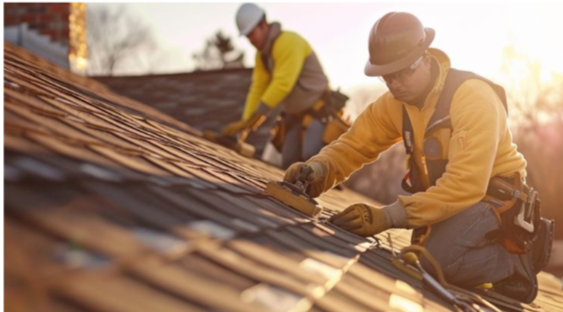

A roof renovation project can transform the look and value of your home. But it’s not a simple task. Planning and preparation are essential. From choosing the right materials to hiring the best professionals, each step can affect the outcome. Understanding the process helps avoid costly mistakes. Whether your roof shows signs of wear or you simply want an upgrade, these factors can guide you toward a successful renovation.
Selecting The Right Residential Roofing Contractor
A residential roofing contractor is a professional specializing in home roofing projects. Choosing the right one is crucial. Not all contractors offer the same level of skill or experience. Look for certifications, insurance, and local references. A reliable contractor ensures your roof is safe, durable, and meets local building codes. Taking time to research and interview candidates can save you headaches later. A trustworthy residential roofing contractor can make the entire process smoother and stress-free.
Assessing Roof Condition With A Roofing Contractor
A roofing contractor can inspect your current roof to determine its condition. This step helps decide whether repairs are enough or a full replacement is needed. They evaluate shingles, flashing, underlayment, and the roof structure. Spotting hidden issues early prevents surprises during the renovation. Experienced contractors provide honest advice and realistic estimates. Partnering with a skilled roofing contractor ensures your project starts on a solid foundation and avoids future problems.
Choosing Materials That Suit Your Home
Materials play a significant role in both durability and style. Asphalt shingles, metal roofing, clay tiles, and slate all have different lifespans and maintenance needs. Your choice depends on budget, climate, and aesthetic preference. A good residential roofing contractor can guide you through options that fit your home’s design and structural requirements. Selecting the right materials ensures your roof not only looks great but also protects your home for decades.
Budget Planning And Cost Estimation
Budgeting is a critical factor in any roof renovation. Costs vary depending on materials, labor, and project complexity. Unexpected issues like water damage or structural repairs can increase expenses. Discussing your budget with a roofing contractor helps set realistic expectations. They can provide a detailed estimate, including labor, materials, and potential contingencies. Proper planning prevents overspending and ensures your renovation stays on track from start to finish.
Scheduling And Project Timeline
Timing can impact the success of a roof renovation. Weather conditions, contractor availability, and material delivery all influence the schedule. Planning a project during favorable weather reduces delays and protects ongoing work. A residential roofing contractor can create a clear timeline with milestones. This helps homeowners understand when each phase will happen and ensures smooth coordination. Sticking to a planned schedule minimizes disruption and keeps the project moving efficiently.
Safety Measures And Compliance
Roof renovation involves inherent risks. Safety protocols, proper equipment, and adherence to building codes are essential. A qualified roofing contractor prioritizes safety for both workers and homeowners. They also ensure all permits and inspections are completed correctly. Understanding these safety measures protects your property and prevents legal or insurance issues. Working with a professional gives peace of mind that the renovation meets all safety and regulatory standards.
Conclusion
Starting a roof renovation project requires careful consideration. From selecting the right residential roofing contractor to choosing materials and planning a budget, each decision influences the final outcome. Partnering with an experienced roofing contractor ensures the process is efficient, safe, and produces long-lasting results.