

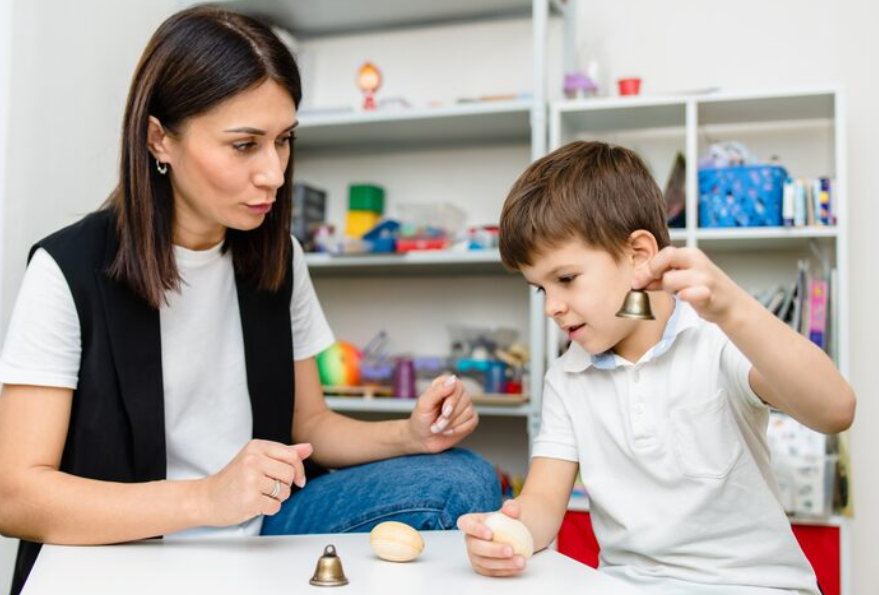
Autism is a developmental condition that affects how a child communicates, behaves, and interacts with others. Every child with autism is unique, with different strengths and challenges. Because of this, they need support that is tailored to their specific needs. One of the most effective ways to support them is through structured and personalized care. Individual autism therapy for children plays an important role in helping them grow, learn new skills, and become more independent in daily life. It focuses on understanding each child deeply and guiding them step by step toward better development and confidence.
Understanding Individual Autism Therapy
Individual autism therapy is a one-on-one support system designed specifically for a child with autism. Unlike group sessions, this type of therapy focuses entirely on the needs, abilities, and learning style of one child. Therapists work closely with the child to improve communication skills, behavior patterns, emotional understanding, and social interaction.
Through individual autism therapy for children, professionals can observe progress more closely and adjust methods based on how the child responds. This personalized attention helps children learn at their own pace without feeling pressure or comparison with others. As a result, learning becomes more comfortable and effective.
Improving Communication and Social Skills
One of the biggest challenges for children with autism is communication. Some may struggle with speaking, while others find it difficult to understand social cues or express emotions. Individual therapy helps children gradually build these skills in a supportive environment.
Therapists use simple techniques, visual aids, and repetition to help children understand language and respond better in conversations. Over time, children begin to express their needs more clearly and interact more confidently with others. Individual autism therapy for children also encourages social development by teaching them how to make eye contact, take turns in conversations, and understand basic social rules. These small improvements make a big difference in their ability to connect with family, friends, and teachers.
Supporting Behavior and Emotional Development
Children with autism may sometimes experience behavioral challenges due to difficulty in expressing their feelings. Individual therapy helps identify the root cause of such behaviors and provides healthier ways to respond. Therapists work on reducing stress, improving focus, and encouraging positive behavior through structured routines.
With consistent support, children learn how to manage frustration, adapt to changes, and develop emotional control. Individual autism therapy for children creates a safe space where children can express themselves without fear or confusion. This emotional support is essential in helping them feel understood and valued, which builds their self-esteem over time.
Enhancing Daily Life Skills
Another important aspect of therapy is teaching practical life skills that help children become more independent. These skills may include dressing, eating, personal hygiene, and simple decision-making. Therapists break down each task into small, manageable steps so the child can learn gradually and successfully.
Through regular practice and encouragement, children gain confidence in handling everyday activities on their own. Individual autism therapy for children ensures that these lessons are tailored to each child’s pace, making it easier for them to apply what they learn in real-life situations.
Conclusion
Every child with autism has the potential to grow, learn, and succeed when given the right support. Individual therapy provides that personalized guidance by focusing on their unique needs and strengths. It helps improve communication, behavior, emotional balance, and life skills in a structured and caring way. With the help of individual autism therapy for children, many children are able to overcome challenges and move closer to reaching their full potential in life.