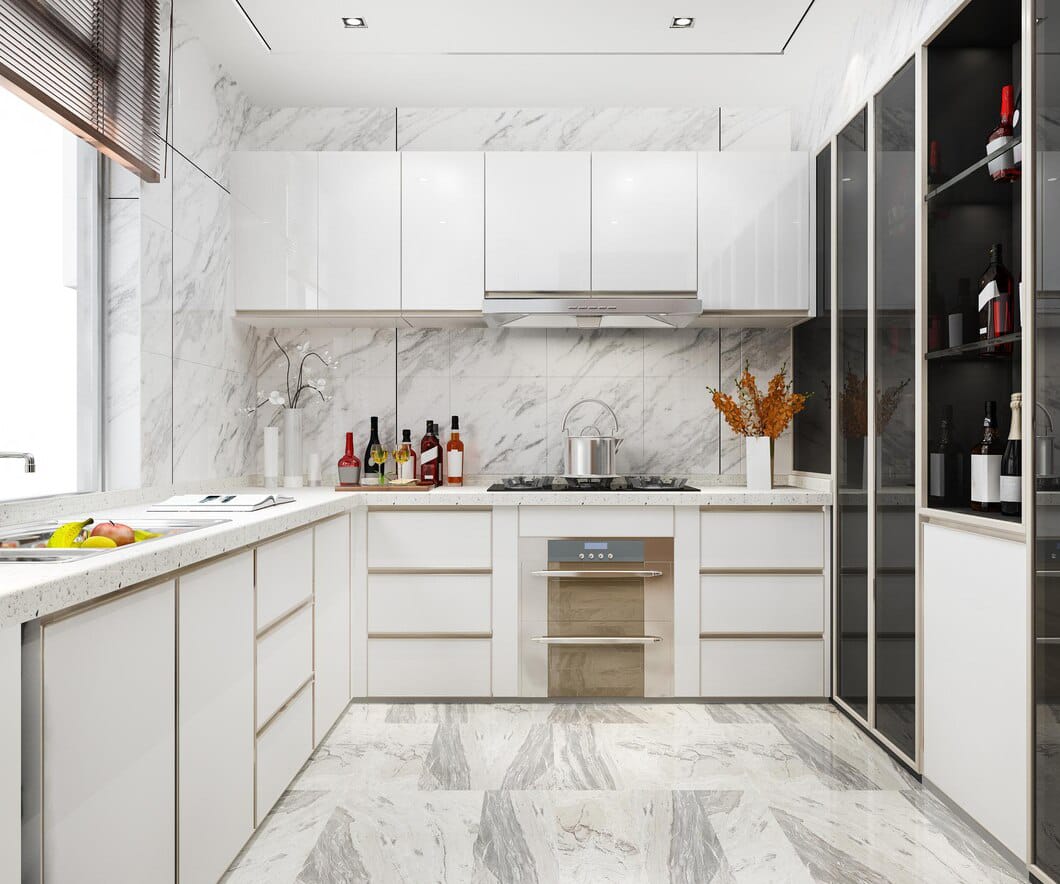

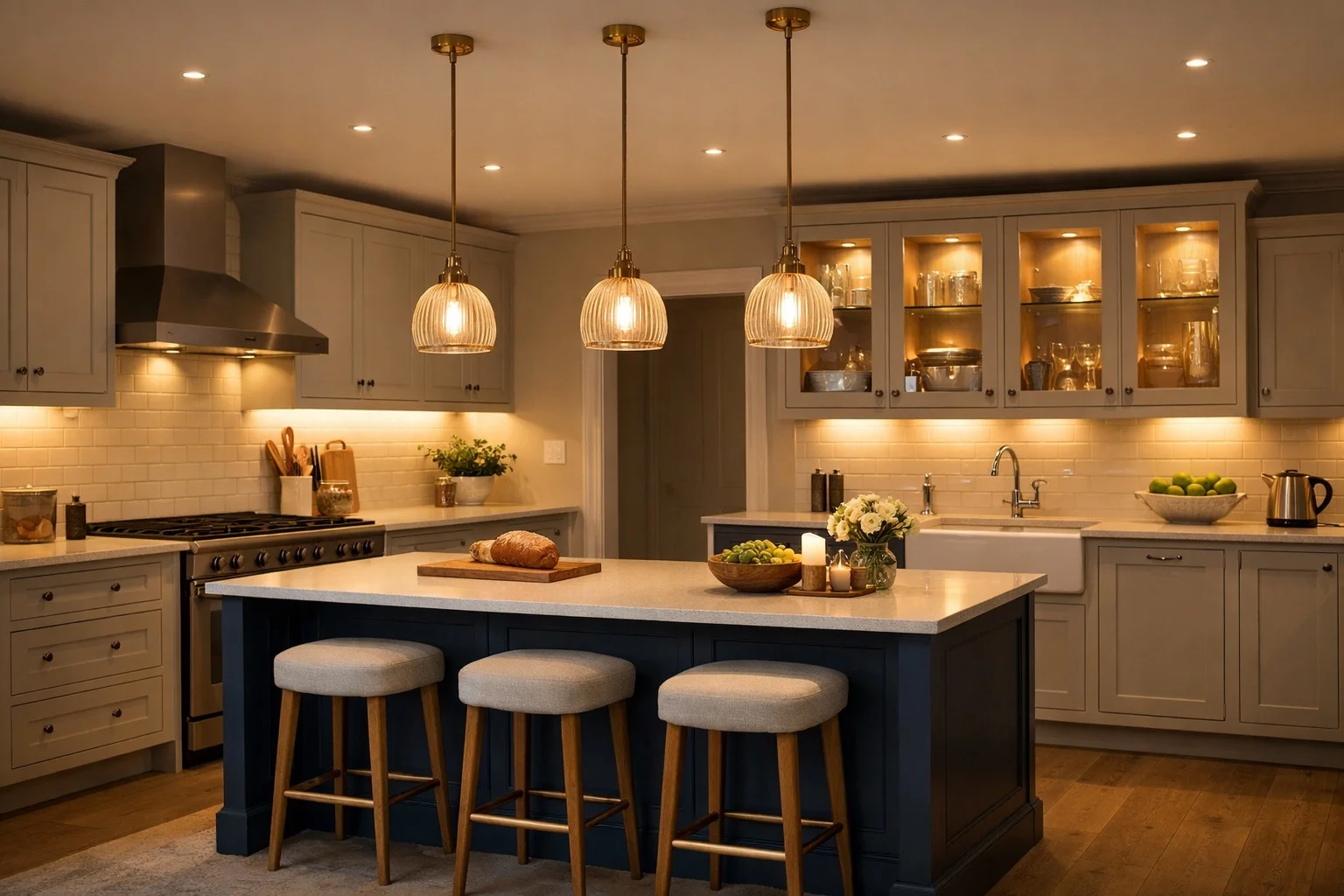
Poor kitchen lighting can make chopping, cooking, cleaning, and reading labels harder than necessary. The fix usually isn’t adding one brighter ceiling fixture. A better approach is to improve light where tasks actually happen while reducing shadows, glare, and dark corners.
Identify Where the Kitchen Is Losing Useful Light
Start by observing the kitchen during normal cooking hours. Stand at the sink, stove, and main preparation area and notice whether your body blocks the ceiling light. Deep cabinets and overhead shelves often create more shadow than homeowners expect.
Kitchen planning references such as practical kitchen ideas can also encourage you to look beyond decoration and think about how the room functions during daily tasks. Light should support the way you actually use each zone.
Watch for Shadow-Creating Fixtures
A central ceiling fixture may illuminate the floor well while leaving countertops surprisingly dim. Pendant lights can create the same problem when they hang behind the person working rather than above the work surface.
Check corners, appliance areas, and the space beneath wall cabinets. These are common places where useful light disappears.
Add Task Lighting Where Work Happens
Under-cabinet lights are one of the simplest ways to improve countertop visibility. They place light in front of the person working, reducing the heavy shadows produced by ceiling fixtures.
Home organization resources such as everyday household planning can be useful reminders that small functional changes often matter more than dramatic remodeling. A few carefully positioned fixtures may improve usability without changing cabinets or counters.
| Lighting Area | Common Problem | Practical Improvement |
|---|---|---|
| Countertops | Cabinet shadows | Under-cabinet lights |
| Sink | Dim work surface | Focused overhead fixture |
| Island | Uneven illumination | Well-spaced pendants |
| Pantry | Dark shelves | Interior LED light |
Balance Brightness With Comfortable Light
More light isn’t automatically better. Extremely bright bulbs, exposed LEDs, or highly reflective surfaces can create glare that makes the kitchen uncomfortable.
Wall and surface choices also affect how light spreads. Ideas from interior surface planning can help when considering lighter backsplashes, softer finishes, or wall treatments that reflect illumination without producing harsh shine.
Warm-neutral or neutral-white lighting often works well in kitchens because food, counters, and finishes remain easy to see. Matching color temperatures across nearby fixtures also prevents the room from looking visually disconnected.
Lighting Mistakes That Often Disappoint
One common mistake is replacing every bulb with the highest-output option available. Brightness concentrated in the wrong place still leaves work surfaces in shadow and may introduce unpleasant glare.
Another mistake is installing decorative pendants without checking their beam direction. A beautiful fixture that lights the ceiling instead of the counter may contribute little to food preparation. Placement matters at least as much as fixture style.
Frequently Asked Questions
What type of lighting is best under kitchen cabinets?
Low-profile LED strips or bars work well because they distribute light across the counter without occupying much space. Positioning them toward the front underside of the cabinet usually reduces shadows better than placing them against the wall.
How can I brighten a kitchen without replacing fixtures?
Try higher-output compatible bulbs, lighter window coverings, clean fixture lenses, and rechargeable or plug-in task lights. Improving reflective surfaces around work areas can also help existing lighting travel farther.
Should kitchen lights all have the same color temperature?
Matching nearby fixtures usually creates a more consistent appearance. Small differences aren’t always noticeable, but mixing distinctly warm and cool bulbs in the same visual area can make cabinets, walls, and countertops appear uneven.
Make Every Work Zone Easier to See
Improving kitchen lighting works best when you stop thinking about brightness as one room-wide number. Check each task area separately, correct shadows first, and add light only where it helps. A few targeted adjustments around counters, the sink, and storage areas can make everyday kitchen work noticeably easier.