

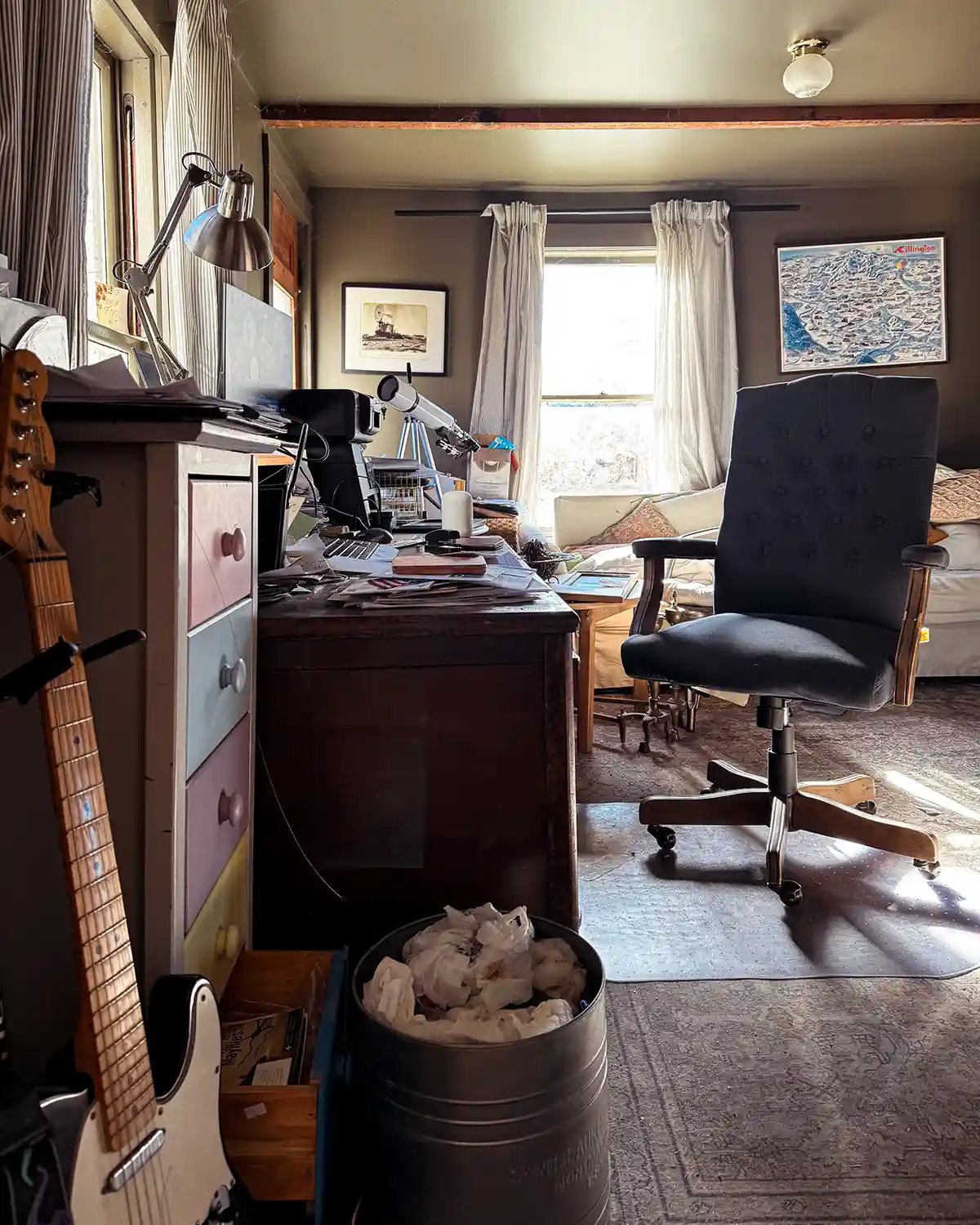
A cluttered home office can make simple tasks feel harder than they need to be. Papers disappear, cables get tangled, and useful supplies compete for the same small patch of desk space. Organizing the room around what you actually use helps create a calmer workspace where finding something doesn’t interrupt your concentration.
Start With the Supplies You Use Most
Begin by separating everyday items from things you rarely touch. Pens, notebooks, chargers, headphones, and current paperwork should remain within easy reach. Extra stationery, old documents, and backup equipment can move into drawers, cabinets, or labeled containers.
Give Every Daily Item a Home
A desk stays manageable when returning an item requires almost no effort. A small tray can hold writing tools, while one drawer can contain chargers and electronic accessories.
The same principle appears in broader organized living ideas: storage works better when its location matches how frequently something is used.
Reduce Paper Before Buying More Storage
Paper often creates more visual clutter than office supplies. Sort loose sheets into three groups: action needed, long-term records, and recycling or shredding. Avoid creating dozens of categories that you’ll struggle to maintain.
Digitizing suitable documents can also free physical space. Keep only records that genuinely require paper copies, and use a simple naming system for scanned files so digital clutter doesn’t replace physical clutter.
| Office Item | Useful Location | Simple Control |
|---|---|---|
| Current paperwork | Desktop tray | Review weekly |
| Pens and markers | Small organizer | Limit duplicates |
| Cables | Drawer or clips | Label uncommon cords |
| Spare supplies | Cabinet | Refill only when needed |
Control the Small Objects That Spread Everywhere
Tiny items often cause disproportionate disorder. Batteries, memory cards, sticky notes, clips, adapters, and USB drives can quickly fill drawers when they aren’t separated.
Small divided containers work better than one large catch-all drawer. Thinking in terms of practical room organization can also help because storage becomes easier when each category occupies a defined zone rather than migrating around the room.
Common Organization Mistakes to Avoid
Buying organizers before removing unnecessary items often creates organized-looking clutter instead of usable space. Measure drawers, shelves, and cabinet interiors only after deciding what deserves to stay.
Another mistake is hiding everything. A workspace can look clean while becoming frustrating if frequently used supplies are buried behind rarely needed items. Resources covering functional home spaces can inspire ideas, but your own work habits should determine where objects ultimately belong.
Build a Five-Minute Reset Habit
A home office doesn’t need a long cleaning session every evening. Put loose papers into their assigned tray, return supplies, remove dishes, and close unnecessary notebooks before finishing work.
The goal isn’t a perfectly staged desk. It’s creating enough open space that tomorrow’s first task can begin without searching, sorting, or moving yesterday’s clutter.
Frequently Asked Questions
How often should a home office be reorganized?
A short weekly reset is usually more useful than frequent full reorganizations. Review paperwork, remove trash, return misplaced items, and adjust storage only when your existing system consistently stops working.
What should stay on a home office desk?
Keep items connected to daily work, such as your computer, current notebook, essential writing tools, and frequently used accessories. Items used only occasionally are better stored nearby rather than occupying permanent desk space.
How can I organize a small home office without cabinets?
Use wall shelves, vertical file holders, rolling carts, drawer units, and compact containers. Prioritize vertical storage and keep the floor and main work surface as open as possible.
Make Your Workspace Easier to Maintain
A useful office system reduces decisions rather than creating more rules. Keep daily supplies close, move backups away from the desk, control paper regularly, and give small objects specific homes. Once the room supports your actual work routine, maintaining order becomes a brief habit instead of another project.