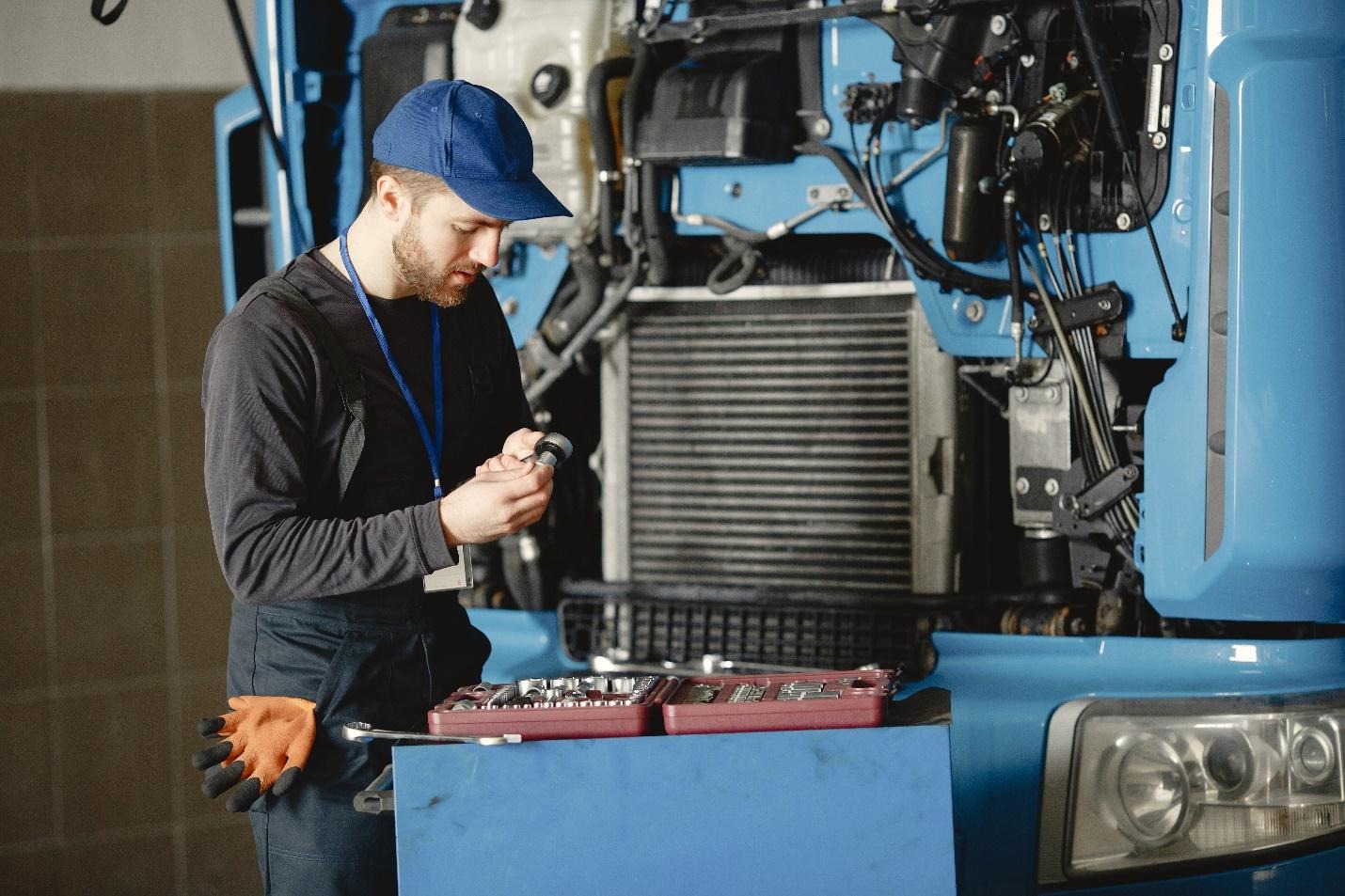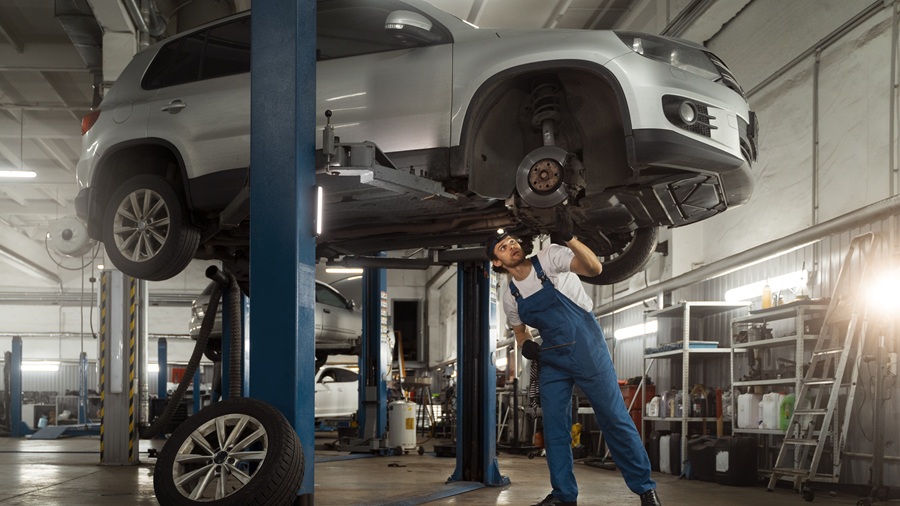
Major repair bills rarely feel convenient, but many become more manageable when small problems are caught before they spread. Regular car maintenance helps protect expensive systems, reduces unexpected breakdowns, and gives drivers more time to plan for repairs instead of dealing with emergencies.
A maintenance schedule doesn’t eliminate every mechanical failure. It does, however, create opportunities to spot leaks, worn parts, unusual noises, and declining performance while the solution may still be relatively simple.
Why Small Maintenance Jobs Matter
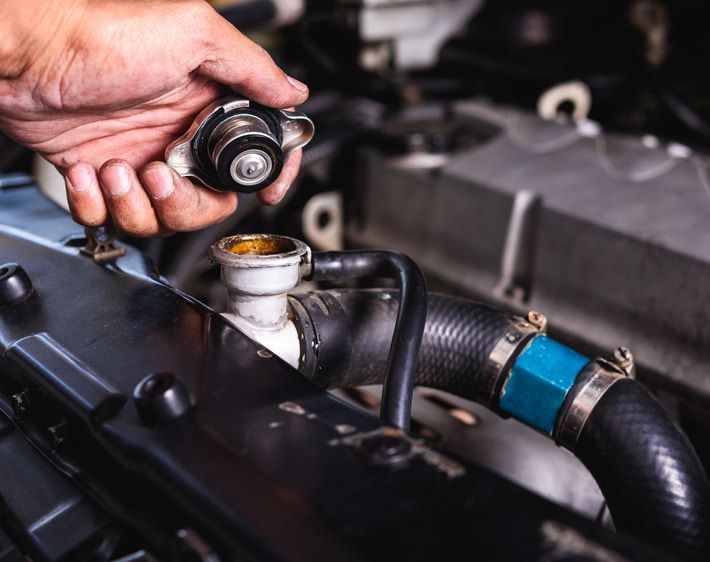
Modern vehicles depend on connected systems. A minor cooling problem, for example, can eventually affect engine temperature, seals, hoses, and other components if it continues unchecked.
Routine inspections also create a useful history. Drivers who keep service records can see when tires were rotated, fluids changed, batteries tested, or filters replaced rather than relying on memory.
People often read regional motoring discussions while researching vehicle ownership issues, but recommendations should still be compared with the maintenance schedule supplied for the specific vehicle.
Pay Attention Between Service Visits
Dashboard lights aren’t the only clues that something needs attention. Changes in braking feel, steering response, fuel economy, engine sound, or fluid levels can provide earlier warnings.
The goal isn’t to diagnose every noise at home. It’s to notice meaningful changes and arrange an inspection before a minor issue becomes harder or more expensive to correct.
Focus on Preventive Maintenance
Oil, coolant, transmission fluid, brake fluid, belts, filters, tires, and batteries all affect reliability in different ways. Their service intervals vary based on the vehicle, mileage, driving conditions, and manufacturer recommendations.
Owners looking through general automotive coverage may find plenty of maintenance opinions. The owner’s manual and qualified inspection remain better starting points for deciding what a particular vehicle actually needs.
| Maintenance Area | What to Watch | Possible Benefit |
|---|---|---|
| Tires | Uneven wear, low pressure | Longer tire life |
| Fluids | Leaks, low levels | Protects major systems |
| Brakes | Noise, vibration | Earlier repair opportunity |
| Battery | Slow starting | Fewer surprise failures |
Build Maintenance Into Your Budget
Car maintenance is easier to handle when it becomes a recurring household expense instead of an occasional surprise. Setting aside a small amount each month can help cover routine servicing and create a buffer for wear-related repairs.
It also helps to distinguish scheduled maintenance from upgrades. Cosmetic accessories can usually wait. A worn tire, leaking coolant hose, or braking problem deserves priority because delaying it may create additional costs.
Broader transport and consumer reading can be useful for understanding ownership trends, yet repair decisions should be based on the condition of the individual vehicle rather than general assumptions.
Common Maintenance Mistakes to Avoid
One common mistake is replacing parts according to guesswork rather than inspection. Another is assuming that a car running normally needs no attention until something fails.
Over-maintenance can waste money too. Services that aren’t required by the manufacturer or supported by the vehicle’s condition shouldn’t automatically be purchased simply because they’re offered. Ask what is being recommended, why it is needed, and what evidence supports the recommendation.
Frequently Asked Questions
Can regular maintenance prevent every expensive car repair?
No. Components can still fail because of age, defects, accidents, corrosion, or unexpected mechanical problems. Maintenance mainly reduces avoidable wear and improves the chance of finding developing issues earlier.
Is mileage the only factor in vehicle maintenance?
No. Time, driving environment, short trips, towing, extreme temperatures, road conditions, and long periods of inactivity can all affect how quickly certain fluids and components deteriorate.
Should I repair every small problem immediately?
Safety-related or worsening problems should receive prompt attention. Minor cosmetic issues may be less urgent. A qualified inspection can help determine whether delaying a particular repair could damage another system.
Make Maintenance Predictable
Regular maintenance works best as an ongoing habit rather than a response to breakdowns. Follow the manufacturer’s schedule, keep service records, watch for changes in how the vehicle behaves, and investigate unusual symptoms early. That approach won’t guarantee a repair-free car, but it can reduce preventable damage and make ownership costs easier to anticipate.