
Leather seats can develop fine cracks long before the upholstery looks seriously damaged. Regular cleaning and conditioning can slow that process by reducing dryness, removing abrasive dirt, and helping the surface remain flexible. Acting while cracks are small is usually easier than dealing with split leather later.
Why Leather Seats Start Cracking
Automotive leather deals with heat, sunlight, body oils, friction, and repeated movement every time someone enters or leaves the vehicle. Over time, protective coatings can wear down and the material may become less flexible.
Parking outside can make the problem more noticeable. Owners researching general vehicle upkeep through automotive maintenance resources may find that interior surfaces deserve regular attention alongside mechanical components.
Watch High-Wear Areas First
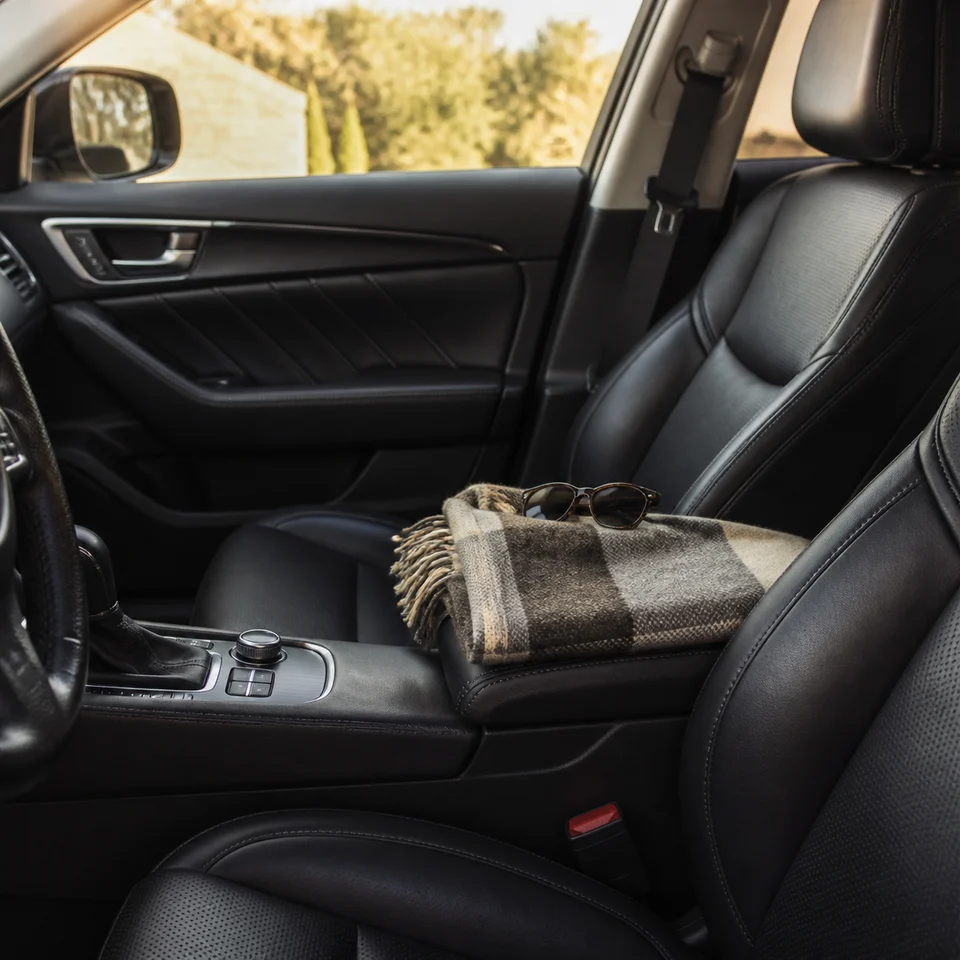
The driver’s seat often shows damage before other seats because it receives the most use. Side bolsters, seat edges, and sections that flex as the driver enters are especially vulnerable.
Fine lines aren’t always structural cracks. However, a line that becomes rough, catches a fingernail, or exposes a lighter layer beneath the surface deserves closer attention.
Clean Before Applying Conditioner
Conditioner shouldn’t be placed over a dirty surface. Dust and grime can act like mild abrasives, while oils left on the seat may prevent products from spreading evenly.
Start by vacuuming seams and crevices. Information from broader vehicle care reading can be useful when building a routine, but always check the instructions for the specific upholstery cleaner being used.
Use a soft microfiber cloth rather than aggressive brushes. Test any new cleaner on a hidden area before applying it across the seat.
| Seat Condition | What You May Notice | Useful Response |
|---|---|---|
| Mild dryness | Dull, slightly stiff finish | Clean and condition |
| Fine surface lines | Small marks in flex areas | Monitor and protect |
| Deep cracking | Visible separation | Consider professional repair |
| Peeling coating | Flaking or color loss | Evaluate refinishing |
Condition Without Oversaturating the Surface
More conditioner isn’t automatically better. A thin, even application usually makes more sense than soaking the seat, especially on coated automotive leather that doesn’t absorb products like unfinished leather.
Interior-focused car care references can help owners think about maintenance as a complete system rather than waiting for cosmetic damage to become obvious.
Apply the product according to its label, let it sit for the recommended period, and wipe away excess. A greasy surface can attract dirt and make the seat unpleasant to use.
Reduce Heat and Sun Exposure
A windshield shade can lower direct sun exposure when a vehicle is parked. Covered parking or a garage offers even more protection when available.
Tinting may also reduce sunlight reaching the interior, but legal limits vary by location. Protection works best when combined with regular cleaning rather than treated as a substitute for it.
What People Often Get Wrong About Leather Care
One common mistake is assuming every shiny seat needs conditioner. Shine can actually come from body oils, grime, or old product buildup rather than healthy leather.
Another problem is using household cleaners that are too harsh for automotive upholstery. Strong detergents, alcohol-heavy cleaners, and abrasive tools may damage protective coatings. Conditioning also won’t repair a deep split. Once the material has separated, cleaning products can improve appearance around the area but won’t restore the missing structure.
Frequently Asked Questions
How often should leather car seats be conditioned?
Frequency depends on climate, vehicle use, parking conditions, and the product being used. Inspect the leather regularly and follow the conditioner manufacturer’s directions rather than applying it on a rigid schedule.
Can cracked leather seats be repaired?
Small cosmetic cracks can sometimes be refinished or repaired, while deeper splits may require professional restoration or replacement of the damaged upholstery panel. The right approach depends on how far the damage extends.
Does sunlight cause leather seats to crack?
Sun exposure can contribute to fading, heat buildup, and deterioration of surface finishes. It usually works together with friction, age, dirt, and repeated flexing rather than acting as the only cause.
Protect the Surface Before Cracks Deepen
Leather seat care works best before major damage appears. Keep surfaces clean, use products made for automotive leather, limit intense sun exposure where practical, and pay attention to high-wear areas. If cracks are already deep or spreading, professional repair may provide a cleaner result than repeatedly applying conditioner.