
Black exterior trim often fades to gray because sunlight, heat, road grime, and repeated washing gradually change the surface. Faded plastic trim can often be improved without replacing the parts, but the result depends heavily on preparation and choosing a product made for exterior automotive plastics.
Restoration works best when the plastic is still structurally sound. Cracked, deeply scratched, or permanently discolored trim may need more than a dressing or restorative coating.
Start With Thorough Cleaning
A trim restorer can’t bond evenly over wax, polish residue, silicone dressing, or embedded dirt. Wash the area first, then clean the plastic carefully with a product that won’t leave an oily film.
Use a soft detailing brush around textured surfaces and edges. General vehicle-care resources such as automotive upkeep information can also help owners think beyond appearance and treat exterior care as part of regular maintenance.
Dry the Surface Completely
Moisture hiding inside textured plastic can dilute some restoration products. Give the trim enough time to dry before applying anything.
Masking nearby paint can also prevent accidental staining, particularly when using dark restoration liquids.
Choose the Right Type of Trim Product
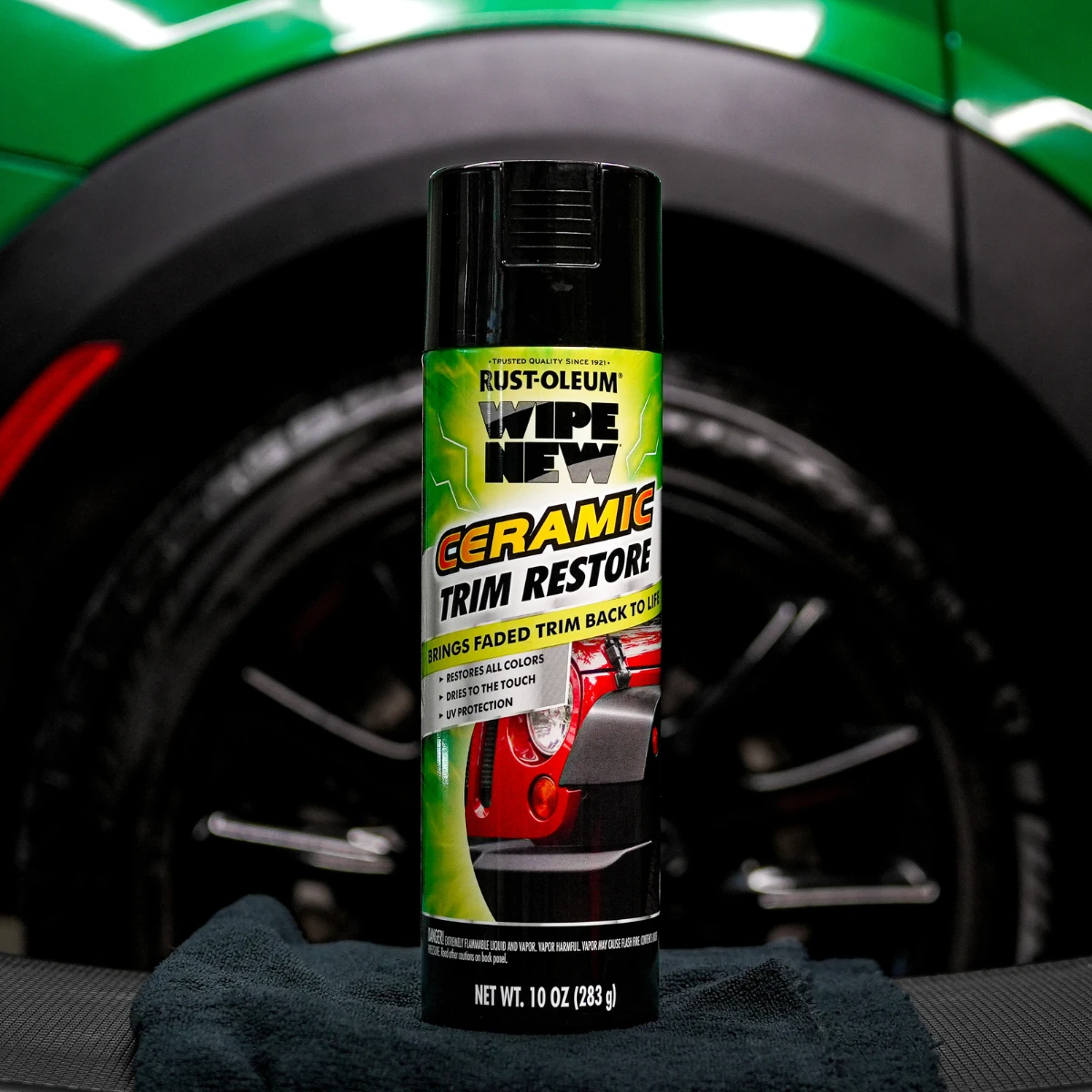
Not every shiny dressing restores faded plastic. Some products mainly leave a temporary glossy layer, while dedicated restorers are designed to darken the surface and remain in place longer.
Automotive reference material available through vehicle care directories can expose owners to different maintenance approaches, but the product label should remain the main guide for application and compatibility.
| Product Type | Typical Result | Main Limitation |
|---|---|---|
| Trim dressing | Quick darker appearance | Often temporary |
| Plastic restorer | Stronger color improvement | Requires careful prep |
| Protective coating | Longer-lasting finish | More application work |
| Replacement trim | Like-new part | Higher cost |
Apply a Thin, Controlled Layer
More product isn’t necessarily better. Heavy applications can become greasy, streaky, or uneven, especially on textured bumper trim.
- Place a small amount on a foam or microfiber applicator.
- Work it into a small section.
- Follow the product’s stated dwell time.
- Wipe away excess before it dries unevenly.
Keeping applications controlled also reduces the chance of transferring dark residue onto surrounding paint.
Protect the Restored Finish
Once the trim looks better, ongoing protection matters. Parking in shade when practical and washing away road salt, dust, and grime can slow future deterioration.
Broader digital reading, including online automotive content, can provide maintenance ideas, though owners should still follow instructions from the manufacturer of the restoration product they actually use.
Repeated heavy scrubbing can shorten the life of some coatings. Clean restored plastic gently rather than attacking it with strong degreasers during every wash.
Mistakes That Can Make Faded Trim Look Worse
One common mistake is putting trim restorer directly over old wax. The product may turn blotchy because some sections absorb it while others remain coated.
Household oils are another poor shortcut. They may darken plastic temporarily but can attract dust and leave an unpleasant greasy surface.
Heat-based restoration methods also deserve caution. Excessive heat can permanently distort or damage exterior plastic, so a purpose-made product is normally the safer starting point.
Frequently Asked Questions
How long does plastic trim restorer last?
Durability varies by product, preparation, weather exposure, washing habits, and how badly the trim has deteriorated. Temporary dressings may fade sooner than coatings specifically designed for longer exterior protection.
Can faded plastic trim become permanently damaged?
Yes. Long-term UV exposure can alter the plastic beyond simple surface fading. Restoration products may improve its appearance, but severely chalky, brittle, cracked, or damaged pieces may eventually need replacement.
Should trim be restored before waxing the car?
Keeping trim restoration and paint protection separate makes application easier. Masking plastic while waxing can prevent white residue, while masking paint during trim treatment can help avoid unwanted staining.
Keep the Color Looking Consistent
Restoring faded trim is mostly a preparation job. Clean the plastic thoroughly, select a product made for the surface, apply thin layers, and protect the finish afterward. If the color doesn’t improve evenly after careful treatment, inspect the material for deeper deterioration instead of repeatedly adding more product.