
A coolant leak can turn a normal drive into an overheating problem faster than many drivers expect. Coolant carries heat away from the engine, so losing even a modest amount can reduce the cooling system’s ability to control temperature. Finding the leak early is far cheaper than dealing with a damaged head gasket, warped cylinder head, or overheated engine.
Start by Looking for Clear Signs of Coolant Loss
A falling coolant level is often the first clue. You may also notice a sweet smell around the vehicle, colored liquid beneath the engine bay, steam after driving, or a temperature gauge that begins climbing above its normal position.
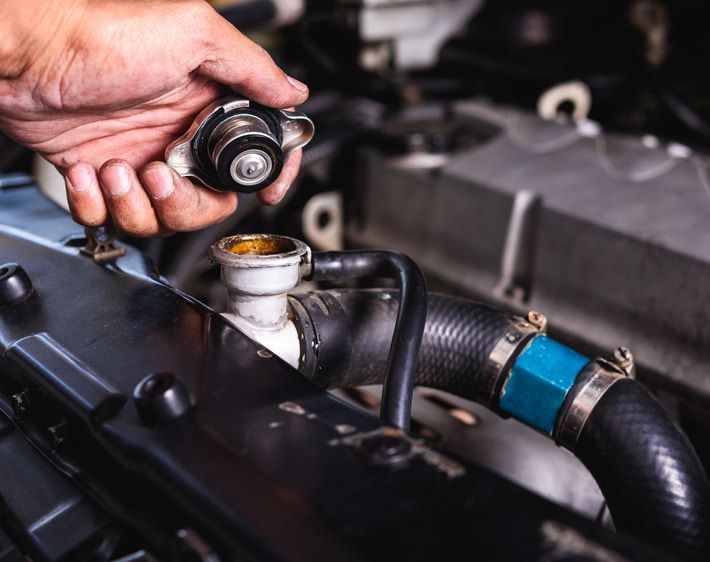
Before inspecting anything, park on level ground and allow the engine to cool completely. Never remove a radiator cap from a hot engine because the pressurized cooling system can release extremely hot coolant.
Check Where the Moisture Appears
Look beneath the front of the vehicle after it has been parked for several hours. Coolant may appear green, orange, pink, yellow, or another color depending on the formula used.
Air-conditioning condensation is normally clear water, so don’t automatically assume every puddle indicates a coolant leak.
Inspect Common Cooling-System Leak Points
Radiator hoses deserve an early inspection because aging rubber can split, harden, or leak around clamps. Radiator end tanks, the coolant reservoir, thermostat housing, heater hoses, and water pump are other common areas worth checking.
Drivers organizing routine inspections sometimes keep vehicle maintenance references alongside service records so developing problems are easier to track over time. A small stain or crusty coolant deposit can reveal a slow leak before a large puddle forms.
| Leak Area | Possible Sign | Useful Check |
|---|---|---|
| Radiator hose | Dampness near clamp | Inspect when cold |
| Water pump | Drips near pulley area | Look for residue |
| Reservoir | Falling coolant level | Check cracks and cap |
| Radiator | Wet fins or seams | Inspect visible edges |
Watch the Temperature While Driving
A vehicle that continues losing coolant may begin running hotter, especially in traffic, while climbing hills, or when outside temperatures are high. If the temperature gauge moves toward the hot zone, continuing to drive can turn a manageable leak into major engine damage.
General cooling system guides may help owners organize what they observe, but the important information comes from the vehicle itself: coolant level, gauge behavior, visible leaks, fan operation, and any warning messages.
Decide Whether the Leak Can Be Traced Safely
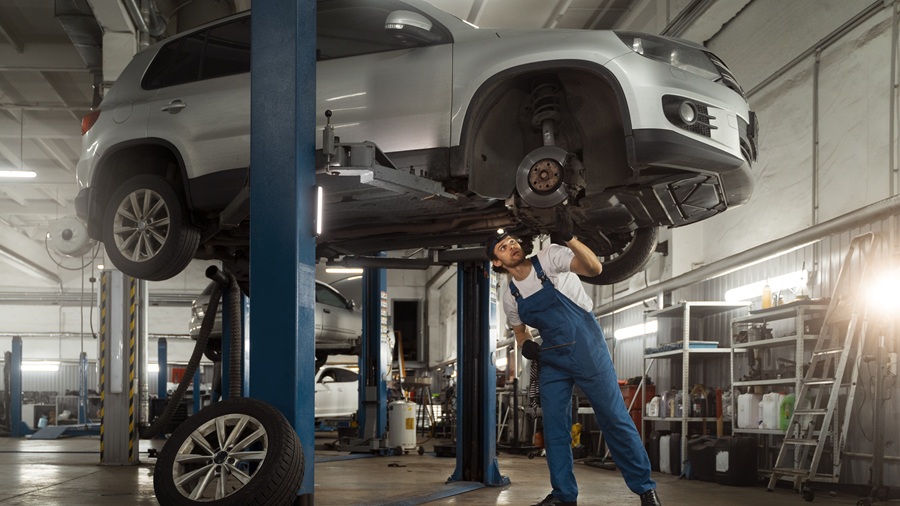
Some leaks only appear when the system becomes warm and pressurized. A repair shop can perform a cooling-system pressure test that helps reveal slow leaks without relying on guesswork.
Keeping notes from inspections and reviewing repair planning material can also make maintenance discussions easier. If coolant disappears without an obvious external leak, professional diagnosis becomes more important because the loss may be occurring somewhere that isn’t easily visible.
Mistakes That Can Make the Problem Worse
Repeatedly topping up coolant without finding the cause can hide a worsening problem. Pouring stop-leak products into every leaking system is another poor default because some products may restrict small cooling passages or complicate later repairs.
Using plain water as a permanent substitute is also risky. The cooling system normally requires the correct coolant mixture for freeze protection, corrosion control, lubrication, and proper temperature management.
Frequently Asked Questions
Can a small coolant leak cause overheating?
Yes. A slow leak may gradually lower the coolant level until the system can no longer remove engine heat effectively. Overheating may appear only during heavy traffic, long climbs, hot weather, or extended driving.
Why does my coolant keep disappearing without a puddle?
A leak may occur only while the system is hot, evaporate on hot engine parts, or remain hidden beneath covers. Internal coolant loss is another possibility, so unexplained repeated loss deserves proper diagnosis.
Can I drive a car that is leaking coolant?
Driving may be risky because the leak can worsen without warning. If the temperature rises, steam appears, or coolant loss is significant, stop driving when it is safe and arrange inspection rather than risking engine damage.
Fix Coolant Loss Before Heat Becomes the Bigger Problem
Treat repeated coolant loss as a fault rather than a normal maintenance issue. Check the level only when the engine is cool, watch for stains and temperature changes, and repair the source instead of continually refilling the reservoir. Catching the leak early gives the cooling system a better chance of protecting the engine from expensive overheating damage.