
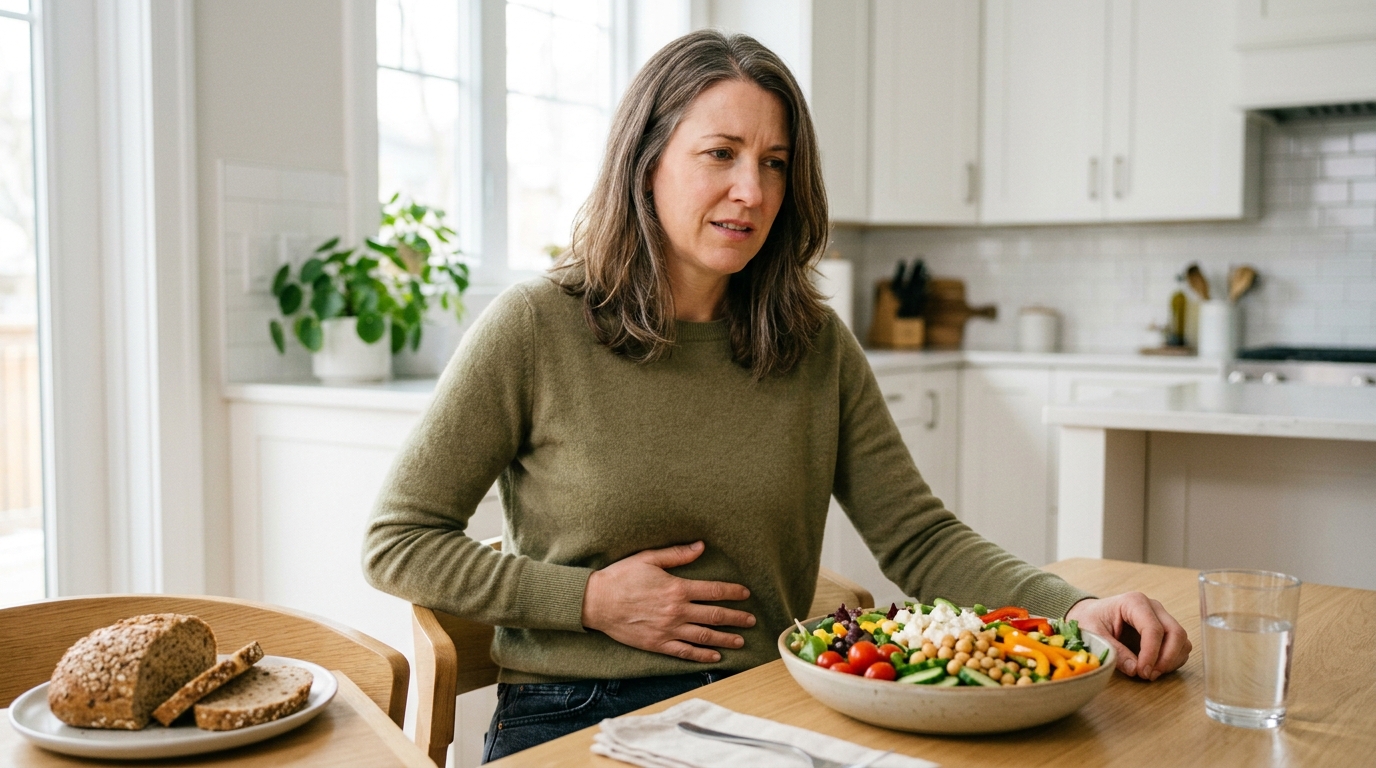
A heavy, greasy meal can leave your stomach feeling stretched, uncomfortable, or unusually full long after you finish eating. Greasy food bloating does not always mean that fat itself is creating intestinal gas. Meal size, digestion speed, swallowed air, indigestion, and individual food triggers can all shape how you feel afterward.
Why Greasy Meals Can Feel So Heavy
Fatty or greasy foods can worsen indigestion symptoms for some people, including uncomfortable fullness and bloating. NIDDK describes bloating, nausea, belching, early fullness, and upper-abdominal discomfort among symptoms that may occur with indigestion.
People comparing food habits online may encounter everyday wellness reading alongside medical resources. For symptom decisions, however, established health sources should carry more weight than general lifestyle content.
A useful clinical overview is available through NIDDK guidance on indigestion.
Build a Lighter Plate Without Making Meals Bland
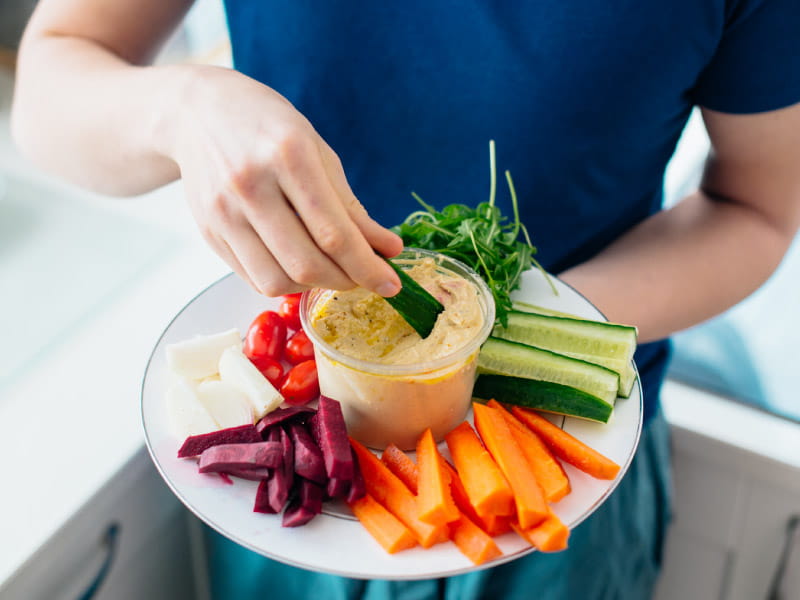
A lighter meal does not have to mean a tiny serving or plain food. You can reduce the amount of deep-fried food, rich sauces, fatty meat, or heavy side dishes while keeping vegetables, grains, lean protein, herbs, and other satisfying ingredients.
General balanced meal planning can provide ideas for changing everyday food routines, but the important part is noticing your own pattern. A meal that bothers one person may cause no symptoms in someone else.
| Meal Pattern | Possible Effect | Practical Adjustment |
|---|---|---|
| Large fried meal | Heavy fullness | Reduce portion size |
| Rich sauce plus sides | More digestive load | Choose one rich item |
| Carbonated drink | More swallowed gas | Try still water |
| Fast, large meal | Fullness and belching | Slow the pace |
Watch the Pattern Instead of Blaming One Food
Bloating can result from gas produced when gut bacteria break down certain undigested carbohydrates. Swallowing extra air while eating can also contribute. That means a greasy meal containing soda, bread, onions, beans, or large portions may involve several possible triggers rather than one simple cause.
Keeping a brief food-and-symptom note can help reveal whether portion size, meal timing, certain foods, or combinations are more important. General broader health reading may offer additional lifestyle perspectives, but repeated symptoms deserve a more focused look.
What People Often Get Wrong
One common mistake is assuming that every swollen feeling after fried food is caused by “too much gas.” Bloating is a sensation of fullness or swelling, while visible abdominal enlargement is called distention. They may occur together, but not always.
Another mistake is eliminating large groups of foods after one uncomfortable meal. A repeatable pattern gives you more useful information than a single episode.
When Should You Get Medical Help?
Occasional bloating after a large meal may settle on its own, but persistent or changing symptoms deserve attention. NIDDK advises speaking with a doctor when gas symptoms are bothersome, change suddenly, or occur with problems such as abdominal pain, constipation, diarrhea, or unexplained weight loss.
Seek prompt medical evaluation for severe or rapidly worsening symptoms rather than assuming food is the only cause.
Frequently Asked Questions
Why do fried foods make me feel full for so long?
Rich meals may contribute to indigestion or prolonged uncomfortable fullness in some people. Portion size and other foods eaten at the same meal may also influence the sensation.
Is bloating after greasy food always a digestive disorder?
No. Occasional bloating can happen without an underlying disorder. Frequent, worsening, or disruptive symptoms are more useful reasons to discuss the pattern with a health professional.
Should I stop eating all fatty foods if I get bloated?
Not automatically. Rather than removing an entire nutrient group, notice which foods, portions, and meal combinations repeatedly trigger symptoms and discuss persistent problems with a clinician or dietitian.
Make Smaller Changes First
Start by reducing the heaviest part of the meal rather than rebuilding your entire diet overnight. Smaller portions, fewer fried items, slower eating, and attention to repeat triggers can provide useful clues. If bloating becomes frequent, painful, unexplained, or progressively worse, medical evaluation can help identify whether something beyond ordinary meal-related discomfort is involved.
This article is for general informational purposes and is not a substitute for professional medical advice, diagnosis, or treatment.