

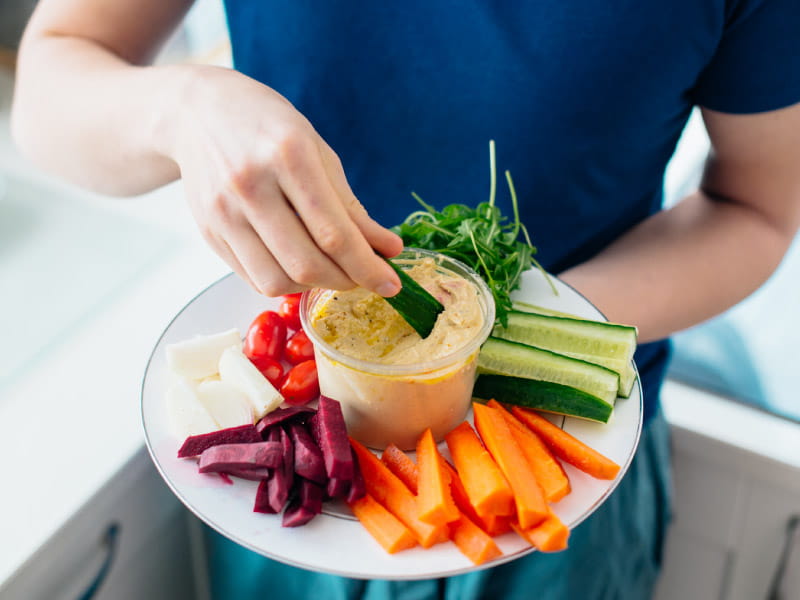
Snacks can quietly add large amounts of sodium, added sugar, saturated fat, and excess calories to a daily eating pattern. Improving unhealthy snack choices doesn’t require banning every favorite food. The more practical goal is to replace some highly processed options with foods that provide fiber, protein, healthy fats, or naturally occurring nutrients while still being convenient.
Why Snack Choices Matter for Heart Health
A single snack rarely determines cardiovascular health. The pattern repeated across weeks and months matters more.
Packaged chips, cookies, pastries, processed meats, and similar snack foods can make it easier to consume more sodium, saturated fat, or added sugar than intended. The American Heart Association’s dietary guidance emphasizes an overall eating pattern built around vegetables, fruits, whole grains, healthy protein sources, and minimally processed foods.
Look Beyond Calories Alone
A 150-calorie snack isn’t automatically nutritious. Compare a small pastry with a piece of fruit and a handful of unsalted nuts: the calorie totals might not be dramatically different, yet fiber, fat quality, protein, and fullness can differ.
| Snack Pattern | Possible Drawback | Smarter Direction |
|---|---|---|
| Salty chips | High sodium, low fullness | Unsalted nuts |
| Candy | Heavy added sugar | Fruit with yogurt |
| Pastries | Refined carbs, saturated fat | Whole-grain toast |
| Processed meat | Often sodium-heavy | Hummus with vegetables |
Make Swaps You Can Actually Maintain
Replacing every snack overnight can backfire. Start with the food you eat most frequently.
Someone who eats chips every afternoon might first switch two or three weekly servings to popcorn without heavy butter, vegetables with hummus, or nuts. People exploring broader wellness reading habits may encounter dozens of diet rules online, but simple repeatable changes are usually easier to maintain than complicated restrictions.
Planning also helps. If healthier choices require preparation while packaged snacks are sitting within reach, convenience usually wins.
Pair Foods for Better Satisfaction
Fruit is nutritious, but some people become hungry again quickly after eating it alone. Pairing carbohydrate-rich foods with protein or unsaturated fat can make a snack more satisfying.
Apple slices with peanut butter, berries with plain yogurt, vegetables with hummus, or whole-grain crackers with a modest amount of cheese are practical examples. General habit-building resources can be useful for organizing routines, although nutrition recommendations should still come from qualified health authorities.
Portion size remains relevant. Nuts contain beneficial fats, but eating directly from a large container can turn a planned snack into a substantial meal.
Watch Sodium and Added Sugar Together
People often focus on only one nutrition number. That can hide another problem.
A snack labeled “low fat” may still contain substantial added sugar, while a savory product marketed as wholesome may contain more sodium than expected. Reading the Nutrition Facts label and comparing similar products can reveal differences that aren’t obvious from the front of the package.
Broader care information online can support general learning, but product labels are more useful when comparing the actual sodium, added sugar, saturated fat, and serving size of foods in front of you.
Where Healthy Snacking Goes Wrong
One common mistake is assuming that foods marketed as natural, protein-rich, organic, or plant-based are automatically heart-friendly. Marketing language doesn’t replace the ingredient list or Nutrition Facts panel.
Another problem is creating rules so restrictive that they can’t last. A balanced eating pattern can include occasional less-nutritious foods. What matters more is whether everyday choices consistently move toward vegetables, fruits, whole grains, legumes, nuts, seeds, and other minimally processed foods.
When Heart Symptoms Need Medical Attention
Food changes are preventive habits, not treatment for unexplained cardiovascular symptoms. Talk with a healthcare professional if you develop recurring chest discomfort, unusual shortness of breath, unexplained swelling, fainting, persistent palpitations, or a major decline in exercise tolerance.
Severe chest pressure, sudden breathing difficulty, fainting, or other possible emergency symptoms can require immediate medical evaluation. Don’t rely on diet changes or online information when urgent symptoms are present.
Frequently Asked Questions
What is a good heart-healthy snack?
Fruit, vegetables, unsalted nuts, plain yogurt, hummus, and minimally processed whole-grain foods can work well. The best choice depends on your overall diet, dietary restrictions, and portion needs.
Are nuts good for heart health?
Nuts provide unsaturated fats, protein, fiber, and other nutrients. Unsalted varieties can be particularly useful when you’re trying to keep sodium intake under control.
Do I need to stop eating chips completely?
Not necessarily. Occasional chips can fit into an overall balanced diet. Reducing frequency, choosing smaller portions, and replacing some servings with nutrient-dense foods may be more sustainable than total restriction.
Build a Better Default Snack
Improving unhealthy snack choices works best when healthier options become the easiest options in your kitchen, office, or bag. Choose one snack you eat regularly, find a satisfying replacement, and repeat that change until it becomes normal. Small substitutions may look insignificant on one afternoon, but repeated food patterns are what shape long-term cardiovascular habits.
This article is for general informational purposes and is not a substitute for professional medical advice, diagnosis, or treatment.