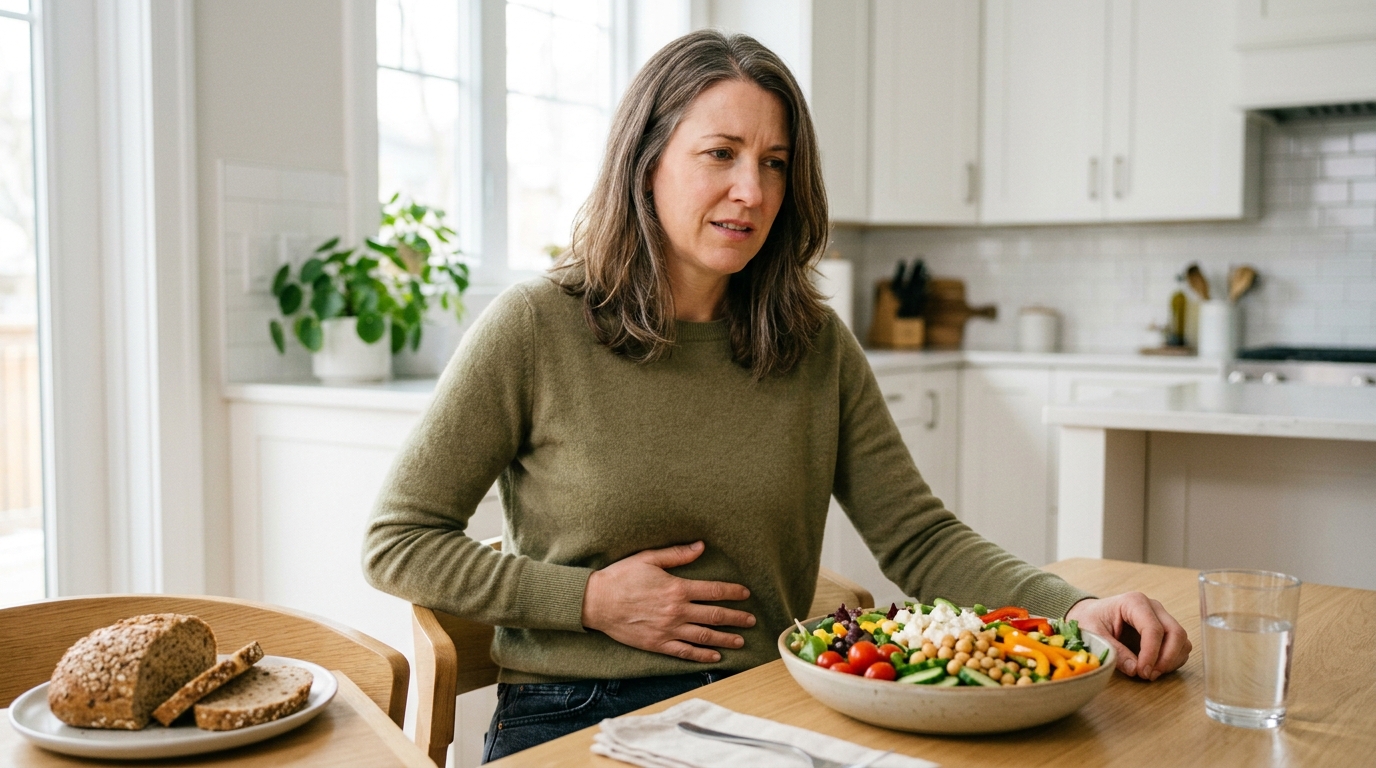

Low iron intake can make it harder for your body to maintain adequate iron stores, especially when dietary intake is limited or iron needs are higher. Iron supports hemoglobin, the protein in red blood cells that carries oxygen. When iron stores become depleted enough to cause iron-deficiency anemia, tiredness, weakness, and reduced energy can develop.
Why Iron Intake Matters for Everyday Energy
Your body needs iron for oxygen transport, muscle function, and normal cellular processes. Food provides iron in two main forms: heme iron from animal foods and nonheme iron from plant foods and fortified products.
People reviewing nutrition habits through everyday wellness information may find it useful to look at overall eating patterns rather than focusing on one meal. Low intake becomes more relevant when it continues for weeks or months or occurs alongside increased iron needs.
Which Foods Can Help Increase Iron Intake?
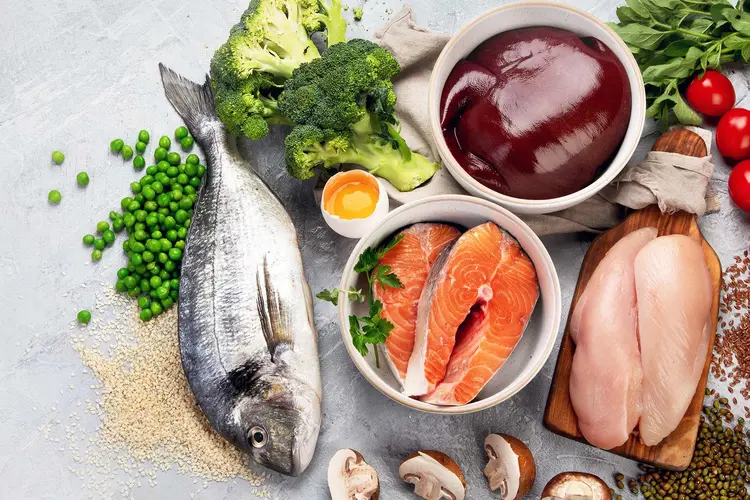
Iron-rich choices include meat, poultry, seafood, beans, lentils, iron-fortified cereals, spinach, peas, nuts, and some dried fruits. Plant-based meals can still provide meaningful iron, although nonheme iron is generally absorbed less efficiently than heme iron.
When browsing daily nutrition topics, remember that variety matters. Pairing plant sources of iron with vitamin C-containing foods such as citrus fruit, tomatoes, bell peppers, or strawberries can help the body absorb nonheme iron.
How Can You Build More Balanced Iron-Rich Meals?
Adding iron does not require rebuilding your entire diet. Small changes repeated regularly may be easier to maintain than suddenly eating large quantities of one food.
| Meal Idea | Iron-Rich Choice | Useful Pairing |
|---|---|---|
| Breakfast | Fortified cereal | Berries |
| Lunch | Lentil bowl | Tomatoes |
| Dinner | Lean meat or beans | Bell peppers |
| Snack | Nuts or seeds | Fresh fruit |
People comparing general healthy-living resources should also distinguish food guidance from individualized medical advice. The NIH Office of Dietary Supplements provides detailed information about iron sources, absorption, deficiency, and supplement safety through its Iron Fact Sheet for Consumers.
Food First Does Not Mean Supplements Are Always Necessary
Iron supplements can be useful in specific situations, but taking them without knowing whether you need them is not automatically better. Too much supplemental iron can cause problems, and supplements may interact with medicines or other products.
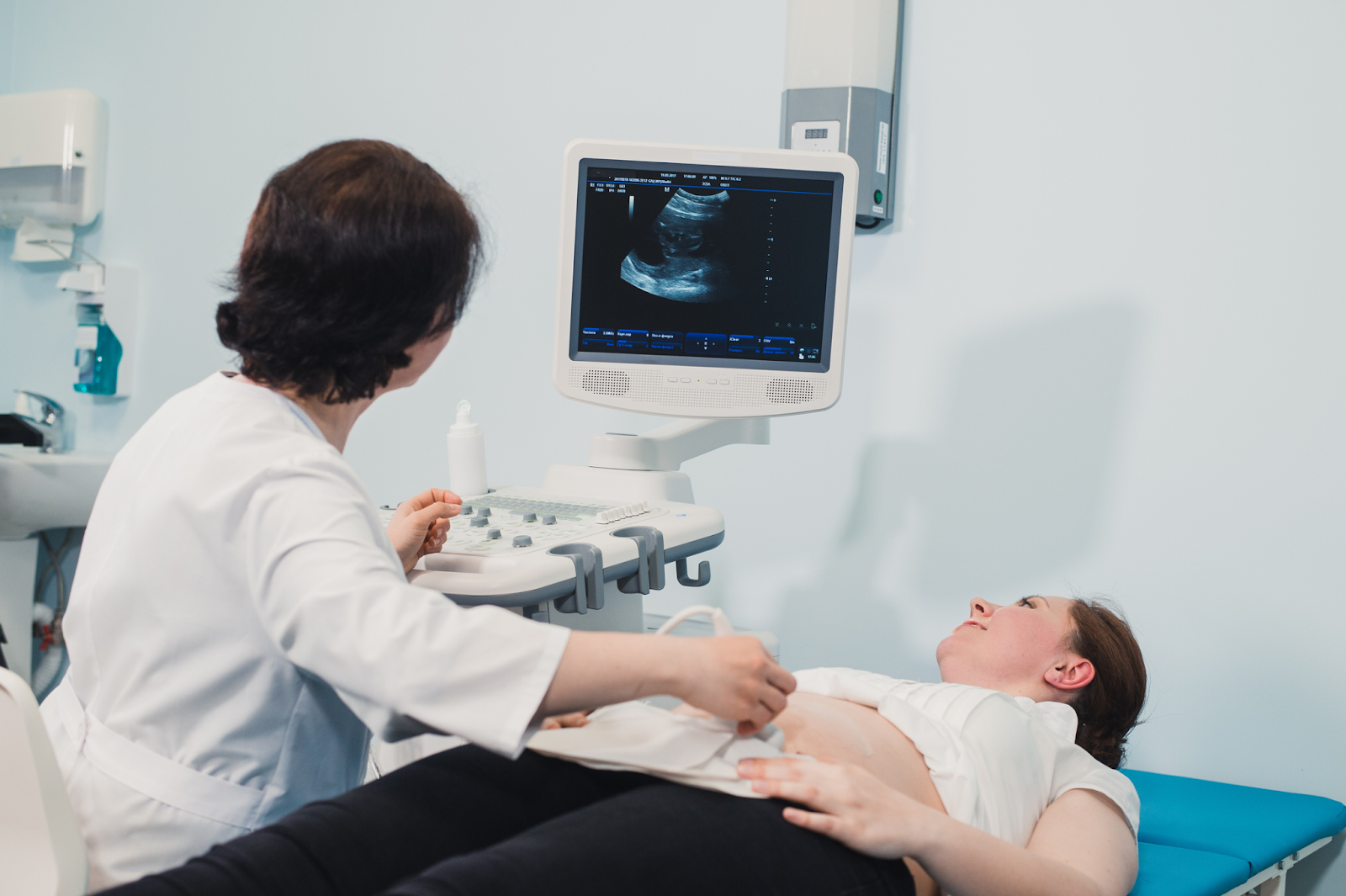
A clinician may recommend blood testing when iron deficiency is suspected. Depending on the situation, testing may include a complete blood count and measures related to iron stores.
Where People Often Go Wrong With Iron
Feeling tired does not prove that iron intake is low. Poor sleep, stress, infections, thyroid problems, other nutrient deficiencies, blood loss, medication effects, and many medical conditions can also contribute to fatigue.
Another mistake is assuming that eating one iron-rich meal immediately restores depleted iron stores. Nutrition works over time, and confirmed iron-deficiency anemia may require evaluation of both the deficiency and its underlying cause.
When Should You Get Medical Help?
Seek medical evaluation when fatigue is persistent, worsening, unexplained, or interfering with normal activity. Shortness of breath, fainting, significant weakness, rapid heartbeat, unusual bleeding, black or bloody stools, or heavy menstrual bleeding also deserve professional attention.
Pregnancy, gastrointestinal disorders, frequent blood donation, and substantial dietary restriction can change iron needs or deficiency risk. Do not rely on symptoms alone to decide whether you need high-dose iron.
Frequently Asked Questions
Can low iron intake make you feel tired?
It can contribute if iron stores fall sufficiently, particularly when iron-deficiency anemia develops. Fatigue has many possible causes, so ongoing low energy should not automatically be attributed to iron without appropriate evaluation.
Are plant foods good sources of iron?
Yes. Lentils, beans, fortified grains, spinach, nuts, seeds, and other plant foods provide nonheme iron. Eating them with vitamin C-rich foods may improve absorption.
Should I take an iron supplement for low energy?
Not automatically. Supplements are most appropriate when there is a clear dietary or medical reason. A clinician can help determine whether testing or supplementation is needed and whether another cause of fatigue should be considered.
Build Iron Into Your Normal Eating Pattern
A practical approach is to include iron-rich foods regularly instead of treating iron as a quick energy fix. Combine varied protein sources, fortified foods, vegetables, and vitamin C-rich produce while paying attention to persistent symptoms. If low energy continues despite reasonable nutrition and rest, medical evaluation can help identify whether iron deficiency or something else is responsible.
This article is for general informational purposes and is not a substitute for professional medical advice, diagnosis, or treatment.