

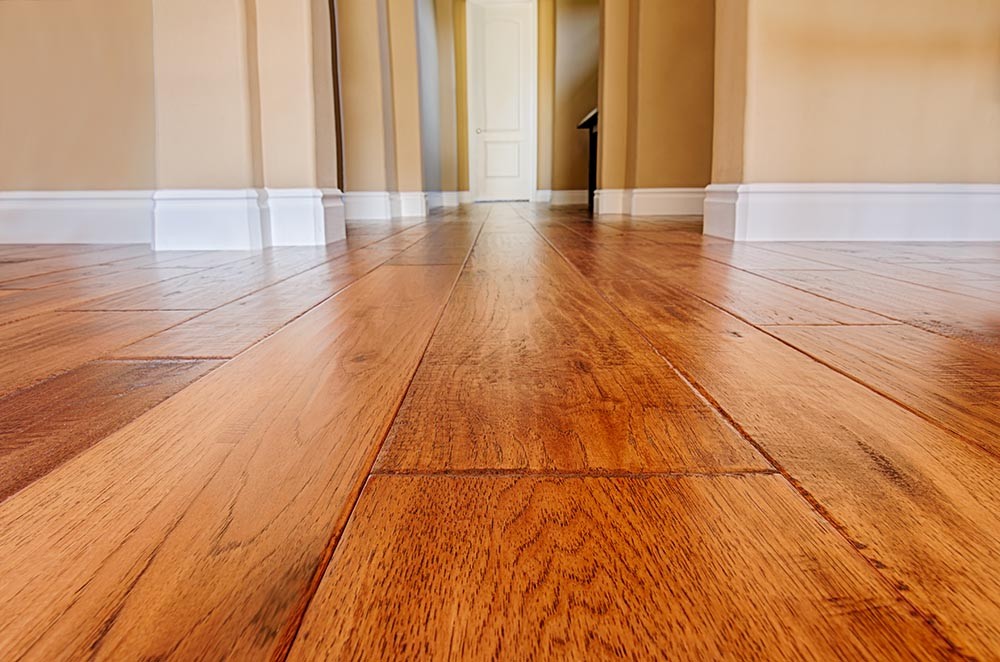
An uneven floor is more than an annoyance underfoot. A noticeable slope, dip, or soft area can point to problems ranging from loose subflooring to movement in the structure below. Fixing uneven floor areas early can prevent cracked finishes, sticking doors, damaged flooring, and more expensive repairs later.
Before reaching for leveling compound, identify what is actually moving. Covering the symptom without correcting the cause often creates a temporary improvement rather than a lasting repair.
Determine What Kind of Unevenness You Have
Start by checking whether the floor has a gradual slope, a localized low spot, or a section that flexes when walked on. A long level or straight board can help show where the surface changes.
A gradual slope across an older room may have developed slowly, while a sudden dip near one wall can indicate a more localized issue. Homeowners browsing interior maintenance ideas may encounter plenty of cosmetic fixes, but the condition beneath the finished floor should come first.
Look Beyond the Floor Covering
Carpet, laminate, tile, and hardwood can hide the actual subfloor. Loose boards, deteriorated sheathing, damaged joists, or poorly supported seams may all produce similar surface symptoms.
Pay attention to nearby clues. Cracks around doorways, gaps along baseboards, or doors that recently began sticking can suggest movement beyond a single floorboard.
Check the Support Beneath the Low Area
Where access is possible from a basement or crawlspace, inspect the framing beneath the uneven section. Look for damaged joists, loose blocking, moisture staining, poorly placed supports, or noticeable gaps between framing and subflooring.
Broader exterior property upkeep matters as well because drainage problems outside can sometimes contribute to moisture around foundations or crawlspaces. The goal is not to assume the cause, but to consider the full path water may be taking around the building.
| Floor Pattern | Possible Issue | First Check |
|---|---|---|
| Small isolated dip | Subfloor damage | Surface and joist support |
| Long gradual slope | Structural movement | Framing and foundation |
| Bouncy section | Loose or weak framing | Joists and fasteners |
| Raised edge | Swelling or movement | Moisture and flooring |
Choose a Repair That Matches the Cause
Minor surface irregularities may sometimes be corrected with suitable patching or leveling materials after the floor is stable. Loose subflooring may require proper fastening into sound framing.
If the problem involves damaged framing, significant settlement, or widespread movement, surface leveling alone is unlikely to solve it. General outdoor improvement references may be useful when considering surrounding property conditions, but structural repairs should be based on what inspection reveals beneath the floor.
Work Gradually Around Structural Components
Avoid aggressively lifting a badly sloped floor in one move. Old framing, wall finishes, plumbing, and door openings may have adapted to the existing position over many years.
Where substantial correction is required, a qualified contractor or structural professional can help determine whether gradual adjustment, reinforcement, or foundation work is appropriate.
Common Mistakes That Make the Problem Worse
One frequent mistake is pouring leveling compound over a floor that is still moving. The surface may look flatter briefly, but cracks or separation can return because the underlying movement remains.
Another problem is assuming every old slope needs to become perfectly level. In some homes, achieving a stable and reasonably flat floor is more practical than forcing aged framing back to its original position.
Frequently Asked Questions
How much floor slope is normal in an older house?
Some older houses develop modest slopes over time, but there is no single acceptable amount for every structure. A slope that is increasing, accompanied by cracking, or concentrated around damaged framing deserves closer inspection.
Can flooring be installed over an uneven subfloor?
It depends on the flooring product and the degree of unevenness. Many finished flooring systems require a reasonably flat, stable base, so high spots, low areas, loose panels, and moisture problems should normally be corrected first.
Does an uneven floor always mean foundation damage?
No. Uneven floors can result from subfloor deterioration, joist problems, moisture, poor original construction, or foundation movement. The location and pattern of the slope help narrow down the likely source.
Correct the Cause Before the Surface
A flatter floor is useful only when the structure beneath it is stable. Measure the problem, inspect accessible framing, check for moisture, and repair loose or damaged components before applying cosmetic leveling materials.
If the slope is substantial, worsening, or accompanied by major cracks and structural movement, bring in a qualified professional before attempting significant adjustments.