

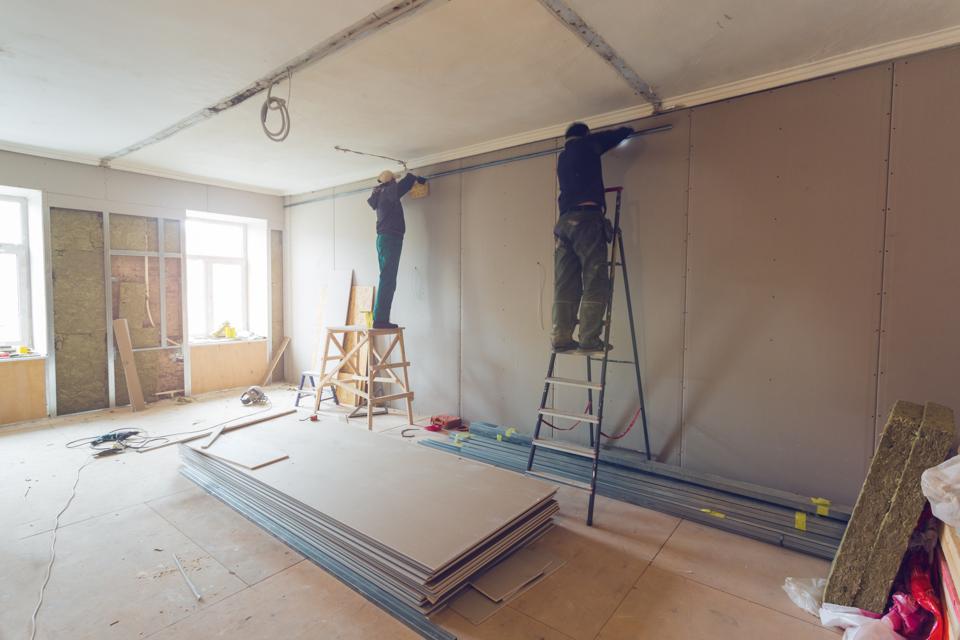
A profitable-looking flip can become an expensive lesson when the renovation budget assumes everything will go according to plan. Property flip risks often appear after demolition, when hidden damage, permit issues, material changes, or labor delays start consuming cash. A contingency fund gives the project room to absorb surprises without immediately destroying the expected return.
Why Renovation Budgets Often Break Down
Most renovation estimates are built around visible work. Paint, flooring, cabinets, fixtures, and landscaping are easy to price because their scope is obvious. Problems behind walls, beneath floors, or inside outdated electrical and plumbing systems are harder to predict.
Older properties deserve extra caution. A house may look cosmetic on the surface yet reveal moisture damage, unsafe wiring, deteriorated pipes, or structural repairs once work begins.
Separate Known Work From Unknown Risk
Create one budget for work you already expect and a separate reserve for problems that may emerge. Combining everything into one number makes it easier to spend contingency money before genuine surprises occur.
Investors comparing broader property ideas through real estate reading resources should still base each renovation reserve on the individual building rather than a generic percentage copied from another project.
Protect the Deal Before Making an Offer
Contingency planning starts before closing, not after contractors arrive. Walk through the property with repair costs in mind and identify systems that could create unusually large expenses.
A lower purchase price can sometimes compensate for uncertainty. Resources covering property planning perspectives may help investors think broadly, but the offer itself should be driven by local resale value, realistic repair costs, holding expenses, and the condition of the specific property.
| Budget Area | Common Risk | Better Approach |
|---|---|---|
| Structural work | Hidden damage | Inspect before closing |
| Materials | Price changes | Leave purchasing flexibility |
| Labor | Schedule overruns | Allow extra time and cash |
| Permits | Unexpected requirements | Research local rules early |
Watch Holding Costs During Delays
Renovation overruns do more than increase contractor bills. Every additional week may mean another mortgage payment, insurance expense, utility bill, tax obligation, or financing charge.
That is why home improvement perspectives can be useful for design inspiration while financial planning should remain separate. Attractive upgrades do not automatically justify the extra holding period required to complete them.
Decide Which Improvements Can Be Cut
Divide upgrades into essential, value-supporting, and optional categories. If costs rise, optional improvements should be the first candidates for removal.
Expensive finishes can feel important during construction, yet buyers may care more about overall condition, functionality, cleanliness, and pricing.
Where Flip Budgets Commonly Go Wrong
One mistake is treating the first contractor estimate as a guaranteed final price. Scope can change after demolition, subcontractor availability can shift, and materials can require substitutions.
Another mistake is spending the contingency reserve on upgrades before problems appear. A reserve has value precisely because it remains available. Once it is committed to nicer finishes, it can no longer protect the project from a damaged sewer line or unexpected roof repair.
When Financial Risk Needs More Attention
A flip deserves additional review when the deal only works under optimistic assumptions, when financing costs are high, or when a single unexpected repair would eliminate most expected profit.
Investors should understand that projected returns are not guaranteed. The SEC’s Investor.gov education resources provide general information about investment risk and evaluating financial decisions. Consider professional financial, tax, legal, or construction advice when the numbers depend on unfamiliar assumptions.
Frequently Asked Questions
How large should a renovation contingency fund be?
There is no universal percentage that fits every property. The appropriate reserve depends on building age, inspection findings, renovation scope, financing structure, contractor certainty, and how much unknown work may be uncovered.
Should contingency money be included in the purchase analysis?
Yes. A deal should be evaluated using realistic total costs rather than assuming the reserve will never be needed. Otherwise, projected profit may be based on an artificially low renovation figure.
What renovation surprises hurt flips most?
Major structural, electrical, plumbing, roofing, foundation, permitting, and moisture problems can be especially disruptive because they may increase both direct repair expenses and holding time.
Protect the Margin Before Construction Starts
A strong flip budget is not the lowest possible estimate. It is a plan that can survive reasonable surprises while still leaving enough margin to justify the project. Build unknowns into the numbers before making the offer, protect the reserve during construction, and be willing to walk away when the deal only succeeds under perfect conditions.
This article provides general financial information and is not personalized investment, tax, legal, or financial advice.