
A long flight becomes harder when small discomforts pile up: poor sleep, dry air, awkward seating, hunger, boredom, and too much time in one position. Better preparation can’t make an economy seat feel like a bedroom, but it can remove many avoidable problems. A few thoughtful choices before boarding can make the journey feel far more manageable.
Prepare for Comfort Before Reaching the Airport
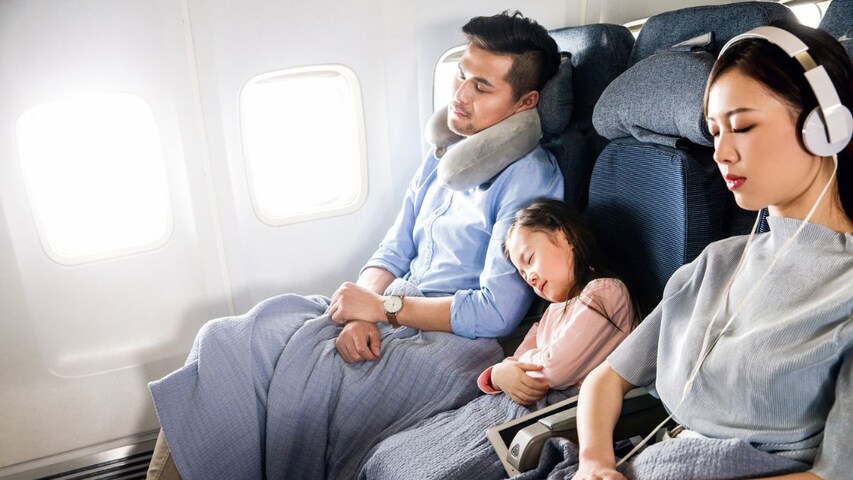
Comfort starts with what you wear and pack. Choose loose layers that can handle cabin temperature changes, along with shoes that are easy to loosen without creating a tripping problem. A light sweater, soft socks, and a compact neck pillow can be more useful than filling your carry-on with entertainment.
Build a Small In-Flight Kit
Keep the essentials where you can reach them without opening the overhead bin repeatedly. Earplugs, headphones, lip balm, tissues, charging cables, and any permitted personal items belong in the seat-pocket bag rather than buried inside a suitcase.
Some travelers also collect travel reading ideas before departure so they aren’t dependent on unreliable onboard Wi-Fi for every hour of entertainment.
Choose Your Seat With the Flight in Mind
Seat preference depends on how you expect to spend the trip. An aisle seat makes standing and stretching easier, while a window seat gives you a wall to lean against and fewer interruptions from other passengers.
Seat location matters too. Areas near restrooms and galleys may have more foot traffic and noise. Keeping personal planning notes about what worked on previous trips can help frequent travelers remember which seat choices made long flights easier.
| Flight Issue | Preparation | Likely Benefit |
|---|---|---|
| Cabin noise | Earplugs or headphones | Easier resting |
| Temperature changes | Light layers | Better comfort |
| Limited movement | Aisle access | Easier stretching |
| Boredom | Offline entertainment | Less screen dependence |
Plan Food, Water, and Entertainment
Don’t assume every meal or snack offered onboard will suit your preferences. Eating a normal meal before departure and carrying an allowed snack can prevent hunger from becoming another source of irritation.
Download entertainment before leaving home. Movies, podcasts, audiobooks, music, and saved articles give you choices even when the aircraft connection doesn’t work. Browsing digital reading material beforehand is one way to build an offline reading list without making the flight dependent on constant connectivity.
Use Movement to Break Up the Flight
Hours in the same position can leave your body feeling stiff. When conditions allow and the seatbelt sign is off, brief walks through the cabin can provide a welcome change from sitting.
Even while seated, changing position occasionally can help you feel less cramped. Move your feet, adjust your posture, and avoid packing the space beneath the seat so tightly that your legs have nowhere comfortable to rest.
What Travelers Often Get Wrong
One mistake is trying to create perfect sleep conditions on a flight. A traveler may buy several accessories, skip meals, or completely change a normal routine hoping to sleep for most of the journey. That plan can backfire when noise, turbulence, meal service, or an uncomfortable seat makes sleep difficult.
Aim for manageable comfort instead. Rest when you can, stay entertained when you can’t, and treat the flight as a long period that needs several different activities rather than eight or ten uninterrupted hours of sleep.
Frequently Asked Questions
What should I pack for a comfortable long flight?
Focus on items that solve predictable problems: comfortable layers, headphones or earplugs, charging equipment, permitted snacks, basic personal-care items, and downloaded entertainment. Keep frequently used items in a small bag beneath the seat.
Is an aisle or window seat better for a long flight?
An aisle seat is often more convenient for passengers who expect to stand frequently. A window seat may be better for sleeping because you can lean against the side and won’t need to move when neighboring passengers leave their seats.
How can I make a long flight feel shorter?
Break the journey into activities rather than watching the clock continuously. Eat, watch something, read, rest, listen to audio, and move around when permitted. Changing activities gives the flight natural stages and reduces the feeling of endless waiting.
Make the Journey Easier Before It Starts
A comfortable long flight depends less on packing countless accessories and more on anticipating ordinary problems. Choose practical clothing, organize your seat area, prepare offline entertainment, and leave room for movement. You may still arrive tired, but better preparation can remove much of the unnecessary stress and help you step off the aircraft feeling more composed.