
Airport meals can turn a simple travel day into an unexpectedly expensive one. Packing suitable snacks before leaving home gives you more control over cost, portion size, and what you eat while waiting for a flight.
The trick is choosing foods that travel well and won’t create problems at security. A little preparation can save money without filling your carry-on with unnecessary weight.
Why Airport Food Gets Expensive Fast
Airport dining operates in a captive environment. Once travelers pass security, their choices are limited by terminal location, boarding time, and how far they’re willing to walk.
Buying one drink, a snack, and a basic meal can add noticeably to the cost of a trip. Travelers who browse general-interest reading online while planning often spend plenty of time comparing flights and hotels but overlook smaller airport expenses.
Think Beyond the Main Meal
You don’t need to pack enough food for the entire journey. A few filling snacks can prevent convenience purchases made simply because you’re hungry.
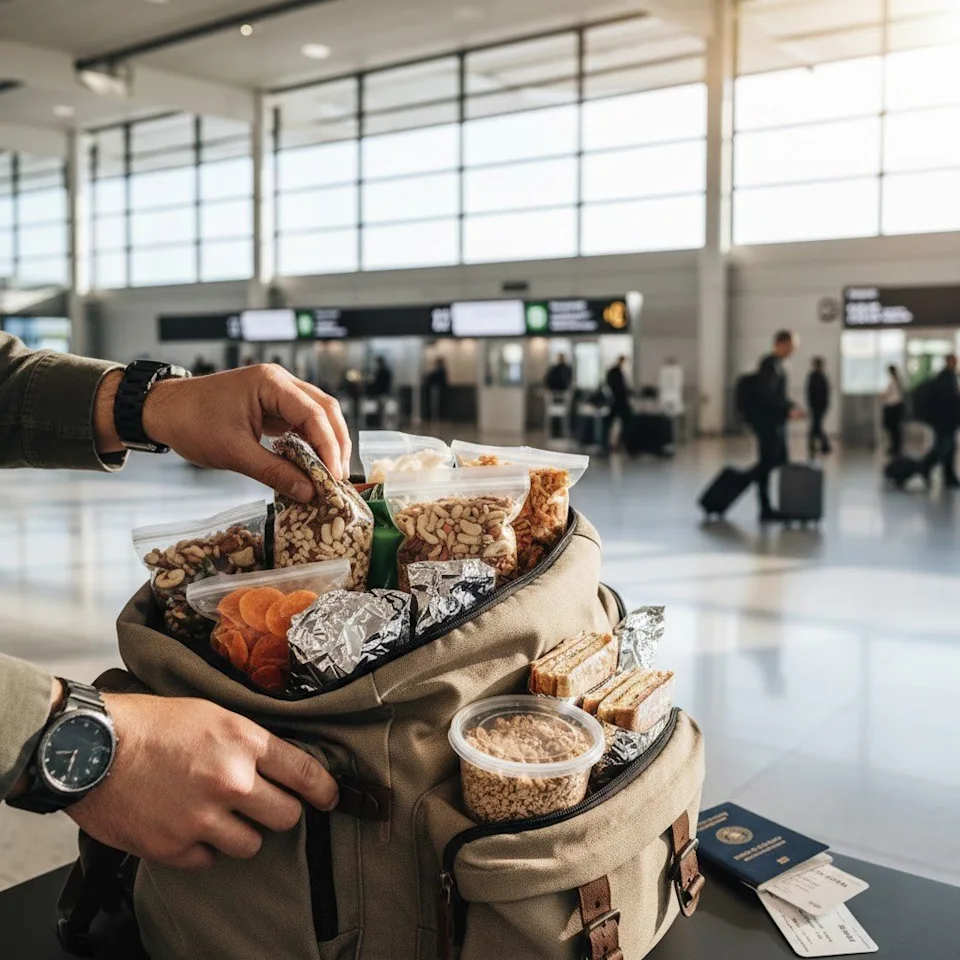
Good choices are compact, easy to handle, and unlikely to leak. Crackers, sandwiches, nuts, dried fruit, granola bars, and firm fruit can work well depending on dietary needs and applicable security rules.
Choose Snacks That Handle Travel Well
Travel food has a harder job than food eaten at home. It may sit in a backpack for hours, get pressed between other items, or stay at room temperature longer than expected.
People moving between different online destinations when planning a trip sometimes focus on finding interesting stops while forgetting practical details such as what they’ll eat in transit.
| Snack Type | Travel Advantage | Possible Drawback |
|---|---|---|
| Nuts or trail mix | Compact and filling | Allergy concerns |
| Crackers | Easy to pack | Can crumble |
| Firm fruit | Fresh and simple | Takes more space |
| Sandwiches | More substantial | Needs careful storage |
Avoid foods that spoil easily unless you can keep them at a safe temperature. Strong-smelling or messy foods can also make the flight less pleasant for you and nearby passengers.
Understand Security Before Packing
Solid foods are often easier to take through airport screening than liquids, gels, sauces, or spreadable foods. Rules can differ by country and item, so checking the official security guidance for your departure airport is sensible before packing anything questionable.
Travelers who use broader digital reading to prepare for journeys should still rely on the relevant airport or national security authority for current checkpoint requirements.
If you’re unsure about an item, choose something simpler. Saving a few dollars isn’t worthwhile if your food creates delays or has to be discarded.
Pack for the Actual Travel Window
A two-hour domestic flight doesn’t require the same food plan as a long international journey with a connection. Count the time from leaving home until you expect to reach your next dependable meal.
Carry enough to handle reasonable delays, but don’t overpack. Food takes up valuable cabin-bag space, and carrying too much defeats the goal of traveling comfortably.
Where Snack Planning Goes Wrong
One mistake is packing food based only on price. A cheap snack that melts, leaks, crumbles, or leaves you thirsty may create more inconvenience than it solves.
Another problem is forgetting that security is only one part of the journey. Some destinations restrict certain fresh foods, agricultural products, meat, or other items when entering the country. Something allowed through departure screening may still be restricted at your destination.
Frequently Asked Questions
Can you bring homemade food through airport security?
Many solid homemade foods can be taken through security, but restrictions depend on the item and location. Foods containing liquids, gels, sauces, or spreads may face additional limits, so check official guidance before traveling.
What snacks are easiest to carry on a plane?
Compact foods that don’t leak or require utensils are usually convenient. Nuts, crackers, bars, sandwiches, dried fruit, and firm fresh fruit are common choices when they fit dietary and security requirements.
Should you pack food for a short flight?
It can still be worthwhile. Check-in, security, boarding, delays, and ground transportation can make a short flight part of a much longer travel day.
Make Airport Spending More Intentional
Packing a few practical snacks changes airport food from a necessity into a choice. You can still buy a meal or coffee when you want one, but hunger no longer forces the decision.
Plan around your travel time, choose food that packs cleanly, and check current security rules before leaving. Your carry-on can save you more money than it seems.