
Semi formal dressing becomes confusing because it sits between relaxed everyday clothing and formal evening wear. The safest approach is to look polished without appearing ready for a black-tie event. Clean tailoring, intentional footwear, and restrained accessories usually matter more than wearing an expensive or overly elaborate outfit.
What Does Semi Formal Actually Mean?
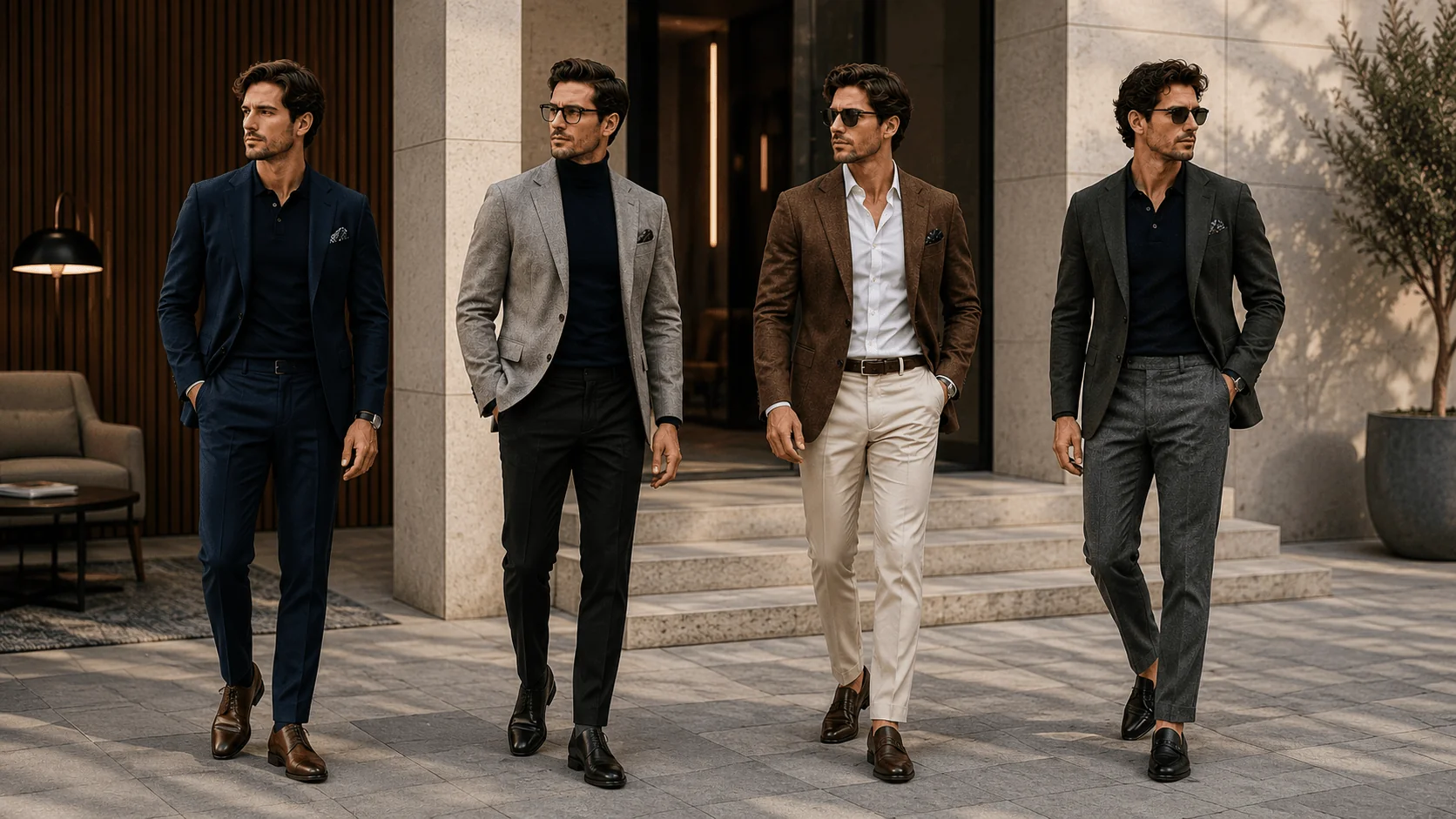
Semi formal clothing should appear noticeably more refined than what you would wear for an ordinary casual gathering. For women, this may mean a midi dress, tailored jumpsuit, polished separates, or an elegant skirt with a structured top. Men can often rely on dress trousers, a button-down shirt, and a blazer.
The setting still matters. An afternoon garden event may support lighter fabrics and softer colors, while an evening celebration often calls for deeper shades and slightly dressier materials.
Build the Outfit Around One Polished Foundation
Start with the strongest clothing piece rather than assembling several attention-grabbing elements. A fitted dress, tailored trousers, or well-cut blazer gives the outfit structure before accessories enter the picture.
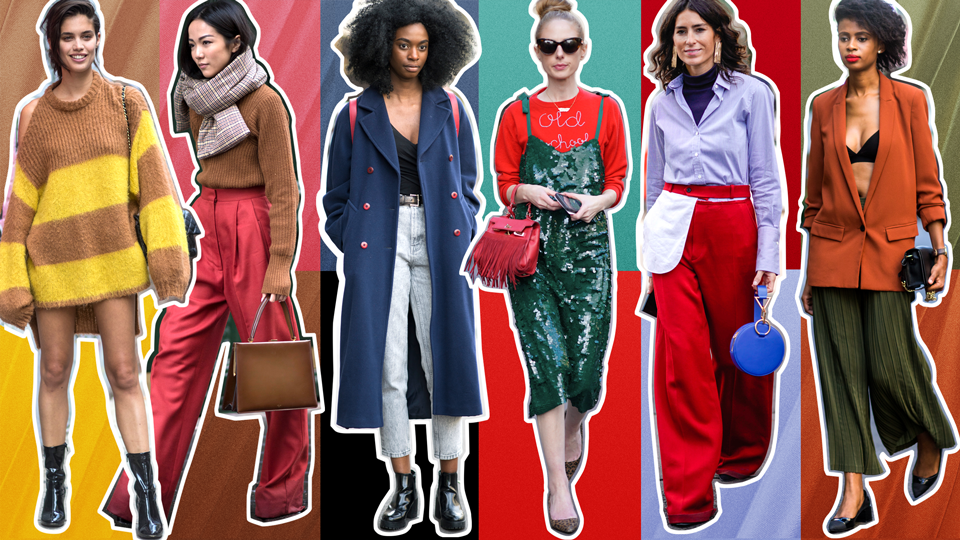
Browsing different fashion styling references can also help clarify how dressier pieces are balanced with simpler details. The goal isn’t to copy a complete look but to notice proportions, fabric combinations, and levels of formality.
Pay Attention to Fabric
Cotton isn’t automatically casual, and satin isn’t automatically formal. Construction matters. A crisp cotton shirt can work beautifully with tailored trousers, while a shiny but poorly fitted garment may look less polished.
Use Shoes to Control the Level of Formality
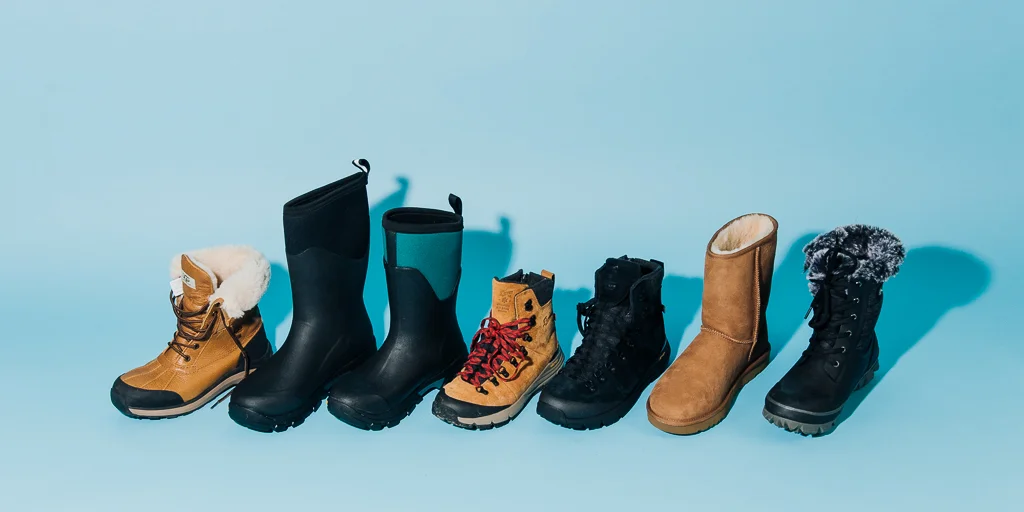
Footwear can rescue an outfit that feels slightly underdressed. Loafers, refined flats, low heels, dress shoes, or clean leather boots can move a simple outfit closer to the semi formal category.
Looking at wardrobe and clothing reviews may be useful when comparing how different pieces function beyond their appearance. Comfort matters because a semi formal event may involve hours of standing, walking, dining, or socializing.
| Outfit Element | Too Casual | Better Semi Formal Choice |
|---|---|---|
| Top | Graphic T-shirt | Structured blouse or shirt |
| Bottom | Distressed jeans | Tailored trousers |
| Shoes | Running sneakers | Loafers, flats, or dress shoes |
| Outer layer | Hoodie | Blazer or refined jacket |
Keep Accessories Deliberate Rather Than Excessive
Accessories should make the clothing look finished. A simple watch, understated jewelry, compact handbag, belt, or pocket square can provide enough visual interest without dominating the outfit.
Fashion inspiration from occasion style features can be helpful when deciding how much detail is appropriate. One clear accent usually works better than combining statement jewelry, bold shoes, bright patterns, and dramatic accessories at once.
Where Semi Formal Outfits Often Go Wrong
The most common mistake is assuming semi formal means ordinary casual clothes with one dressy item added. Sneakers with an old T-shirt don’t become event-ready simply because a blazer is placed on top.
The opposite mistake happens too. Floor-length gowns, tuxedos, heavily embellished pieces, or ceremonial-looking accessories may feel excessive unless the invitation or venue supports them. Think polished middle ground rather than halfway effort.
Frequently Asked Questions
Can jeans ever work for a semi formal event?
Usually, tailored trousers or another polished bottom are safer. Dark, spotless jeans may work for unusually relaxed venues, but traditional semi formal invitations generally suggest clothing that is one level dressier than denim.
Do you have to wear a blazer for semi formal dress?
No. A blazer is useful for adding structure, especially for men, but it isn’t mandatory in every setting. A refined shirt, dress trousers, appropriate shoes, and thoughtful grooming can sometimes provide enough polish.
What colors work best for semi formal clothing?
Navy, charcoal, black, cream, burgundy, forest green, and muted neutrals are dependable choices. Seasonal colors can also work well. The outfit’s cut and overall coordination matter more than following a narrow color rule.
Aim for Polished, Not Overdone
Semi formal dressing gets easier once you stop treating it as a mysterious dress code. Choose clothing that looks intentional, fits properly, and clearly rises above everyday casual wear. Then adjust the shoes, accessories, fabric, and outer layers for the venue. A restrained outfit with good proportions will usually look more appropriate than either extreme.