
A professional outfit can meet every workplace rule and still feel flat. Dull professional looks usually aren’t caused by owning the wrong clothes; they come from basics that lack contrast, texture, shape, or thoughtful finishing. Small changes to familiar pieces can make workwear look sharper without turning the office into a fashion show.
Why Basic Workwear Can Start Looking Unfinished
Neutral trousers, button-down shirts, cardigans, and simple dresses are useful because they’re easy to repeat. The problem appears when every piece has the same visual weight. A plain blouse with plain pants and plain shoes may technically coordinate, yet nothing gives the eye a reason to pause.
Start by checking fit before buying anything new. A shirt that pulls across the chest, trousers that bunch heavily at the ankle, or a blazer with collapsing shoulders can make otherwise good clothes seem tired.
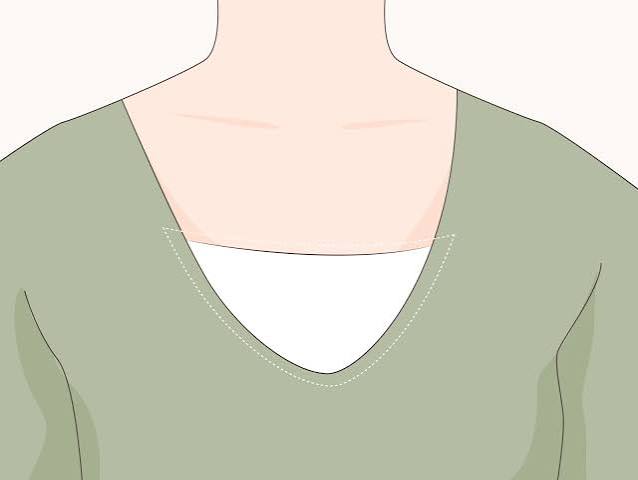
Fabric condition matters too. Pilling, stretched necklines, faded black clothing, and permanently wrinkled hems weaken an outfit faster than an unfashionable silhouette. People collecting personal style references can still benefit from first evaluating the condition of what they already own.
Give One Piece a Clear Role
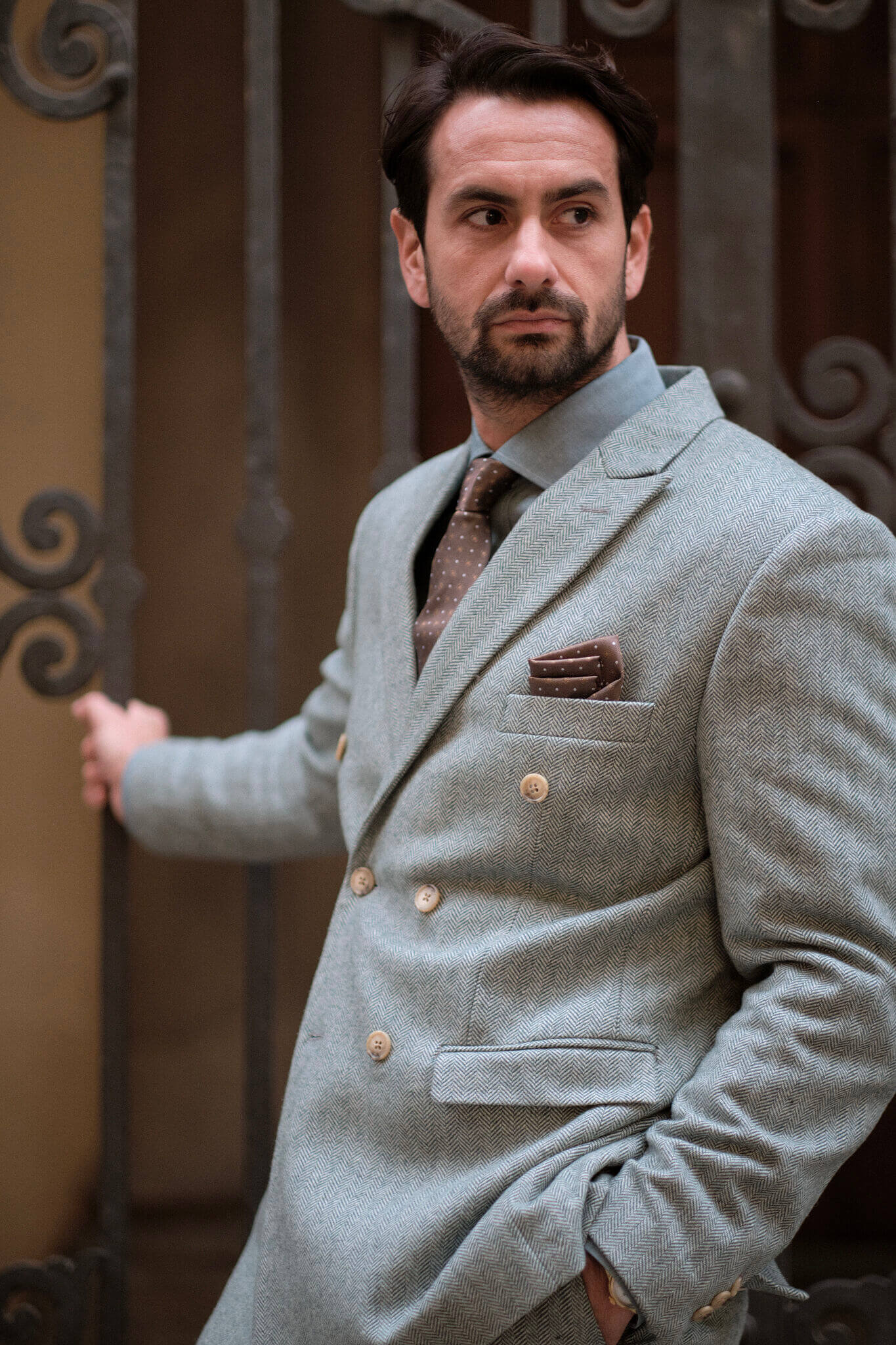
Choose one garment to provide structure, texture, or contrast. A textured knit under a smooth blazer works because each surface looks different without fighting for attention.
The same idea applies to shape. Wide-leg trousers often look cleaner beside a closer-fitting top, while a roomy shirt can work better with a more defined lower half.
Use Details That Look Intentional
Accessories are most effective when they finish an outfit rather than rescue it. A belt that relates to your shoes, a restrained watch, simple earrings, or a structured work bag can create cohesion without making the look busy.
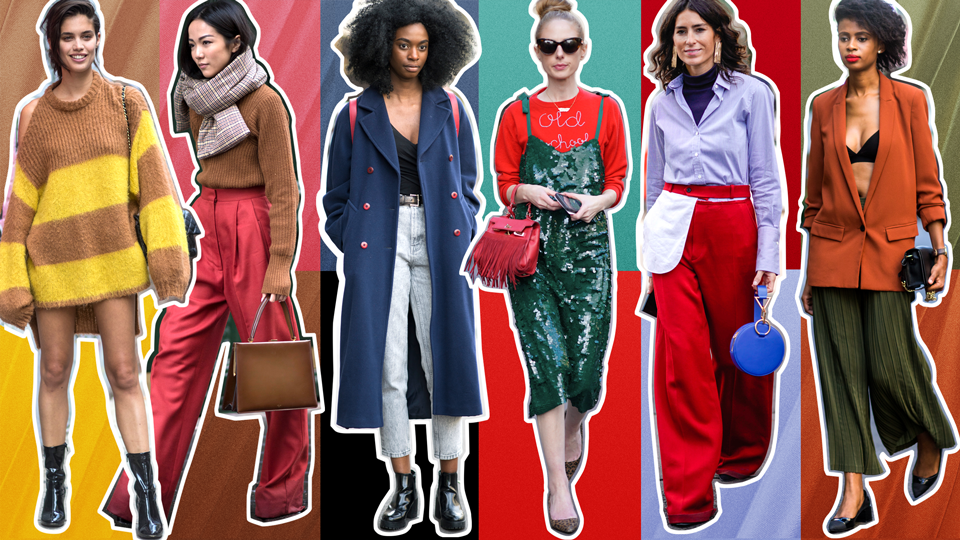
Color can perform the same job. Instead of replacing a neutral wardrobe, introduce one deeper or softer shade through a shirt, knit, scarf, or shoe. Browsing outfit inspiration sources may generate ideas, but the useful question is whether a detail works with clothes you genuinely wear.
| Detail | Common Problem | Better Direction |
|---|---|---|
| Belt | Random addition | Connect it to shoes |
| Jewelry | Too many pieces | Choose one focal area |
| Shoes | Visibly worn | Keep them polished |
| Color | Everything identical | Add controlled contrast |
Small tailoring changes also deserve attention. Shortening sleeves, adjusting trouser length, or moving a loose button can make ordinary clothing look more considered.
Build Better Outfits Without Buying Constantly
A useful wardrobe creates multiple combinations from a limited number of reliable pieces. Before shopping, try building several outfits around one blazer, pair of trousers, skirt, or dress. You may discover that the missing element is a layering piece or shoe rather than an entirely new wardrobe.
Photography can help. Take a quick full-length photo before work and look at proportion rather than your appearance. Is the jacket too long for the trousers? Does the shirt disappear under the cardigan? Does every item have the same loose shape?
Keeping a small collection of broader style ideas can help you notice combinations you hadn’t considered. Still, repetition is useful: a strong professional wardrobe often looks polished because good formulas are repeated intentionally.
Pay Attention to the Final Five Percent
Before leaving, check cuffs, collar placement, lint, shoe condition, and whether the outfit sits correctly after adding your coat or bag. These minor finishing points often separate an ordinary outfit from a polished one.
Mistakes That Make Professional Outfits Feel Duller
Buying more basics isn’t always the answer. Adding another black trouser, white shirt, or neutral cardigan may increase volume without creating new combinations. Too many nearly identical pieces can actually make dressing feel more repetitive.
Another mistake is adding several statement details at once. Bold jewelry, a patterned scarf, contrasting shoes, and a bright bag can compete rather than improve the outfit. Usually one or two intentional details create a stronger result.
Frequently Asked Questions
How can I make plain work clothes look more expensive?
Prioritize fit, garment condition, clean shoes, controlled color combinations, and simple accessories. Clothes don’t need a high price tag to look polished when proportions are balanced and visible wear is kept under control.
What colors make professional outfits more interesting?
Navy, burgundy, forest green, camel, muted blue, and soft gray can add depth while remaining office-friendly. The best choice depends on the neutrals already dominating your wardrobe.
Do accessories make a big difference in office outfits?
They can, especially when clothing is simple. A structured bag, belt, watch, understated jewelry, or polished shoes can create a finished appearance without changing the main garments.
Make Small Details Work Harder
A stronger professional wardrobe doesn’t require constant shopping. Start with fit, condition, proportion, and one intentional detail that gives the outfit direction. Once the foundation works, accessories and controlled color become finishing tools rather than distractions. Improve the pieces you already rely on, then buy only when a genuine gap becomes obvious.