

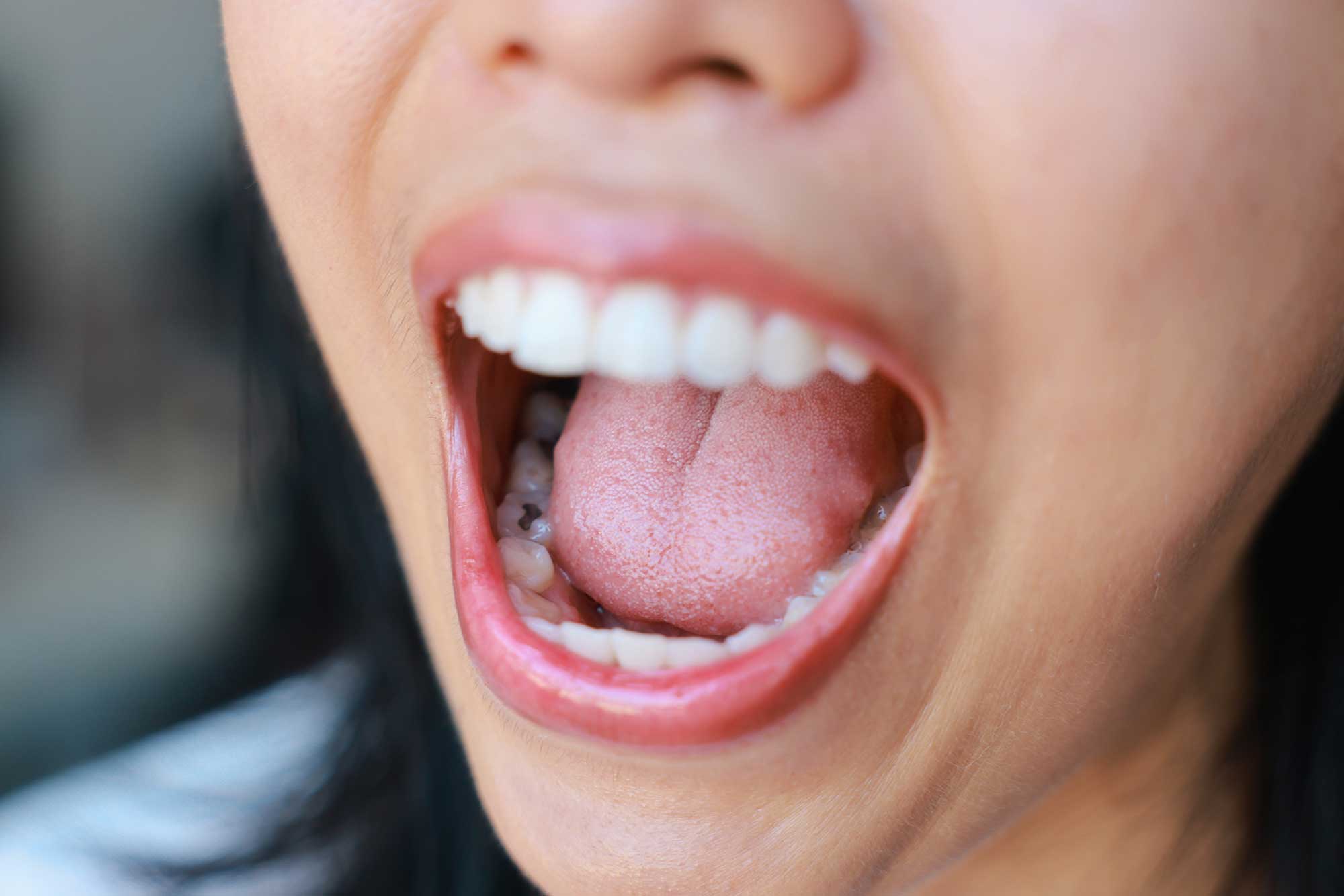
Frequent mouth dryness is more than an uncomfortable feeling. Saliva helps with swallowing, speaking, clearing food particles, and protecting teeth, so ongoing dryness can affect several parts of oral health. Simple moisture-supporting habits may help, but persistent dry mouth deserves attention because medications, health conditions, and salivary gland problems can sometimes contribute.
Why Does the Mouth Keep Feeling Dry?
Dry mouth, also called xerostomia, occurs when there isn’t enough saliva to keep the mouth comfortably moist. You may notice stickiness, cracked lips, altered taste, difficulty swallowing dry foods, or a dry throat.
The National Institute of Dental and Craniofacial Research notes that persistent dry mouth can also increase the risk of tooth decay and certain oral infections because saliva normally helps control germs and supports tooth mineral protection. NIDCR dry mouth guidance
Build Moisture Into Everyday Habits
Sipping water regularly can make the mouth feel more comfortable, particularly during meals. Sugar-free gum may also stimulate saliva for some people, while tobacco and alcohol can worsen dryness.
People often encounter oral-health tips alongside other general online reading, so it helps to separate practical comfort measures from claims that promise to cure the underlying cause. Habit changes can support moisture, but they aren’t a diagnosis.
Protect Teeth While Dryness Continues
Less saliva means teeth may spend more time exposed to food debris and acids. Consistent brushing with fluoride toothpaste and cleaning between the teeth therefore become especially useful when dryness is frequent.
Broader everyday lifestyle content may discuss hydration and routines, but dental protection still requires oral-care habits designed specifically for teeth and gums.
| Dry-Mouth Issue | Helpful Habit | Purpose |
|---|---|---|
| Sticky mouth | Sip water | Adds temporary moisture |
| Dryness after meals | Sugar-free gum | May stimulate saliva |
| Higher cavity concern | Fluoride brushing | Supports enamel protection |
| Food between teeth | Interdental cleaning | Removes trapped debris |
Look for Patterns and Possible Triggers
Notice when dryness is strongest. It may appear overnight, after certain medicines, during periods of mouth breathing, or throughout the entire day.
Keeping a simple record is more useful than jumping between unrelated broader digital reading and assuming every dry-mouth suggestion applies equally. If a medicine seems connected, discuss the problem with the prescribing clinician rather than stopping or changing it yourself.
What People Often Get Wrong About Dry Mouth
One mistake is assuming frequent dryness is an unavoidable part of getting older. NIDCR specifically states that dry mouth isn’t considered a normal part of aging, even though medicines and health conditions that become more common with age can contribute.
Another mistake is treating water as a complete solution. Water can improve comfort, but repeated dryness may continue if saliva production remains reduced.
When Should Persistent Dry Mouth Be Evaluated?
Arrange dental or medical evaluation when dryness keeps returning, becomes persistent, or interferes with chewing, swallowing, speaking, or sleeping. Mouth sores, repeated oral infections, significant burning, new swelling, or rapid changes in oral comfort also deserve professional attention.
A dentist or clinician can review medications, oral findings, medical history, and possible contributing conditions instead of relying on symptoms alone.
Frequently Asked Questions
Can dehydration cause a dry mouth?
Yes. Temporary dehydration can reduce moisture and make the mouth feel dry. Persistent dryness despite reasonable fluid intake may have another cause and should not automatically be attributed to dehydration.
Why is dry mouth worse at night?
Saliva production naturally decreases during sleep, and mouth breathing may make dryness more noticeable. Medications and underlying causes of reduced saliva can also contribute.
Can dry mouth increase cavity risk?
It can. Saliva helps wash away debris, neutralize acids, and supply minerals that protect teeth, so chronically reduced saliva can leave teeth more vulnerable to decay.
Pay Attention to Persistent Changes
Occasional dryness may improve with water and routine adjustments, but frequent mouth dryness deserves more than repeated temporary fixes. Protect your teeth carefully, watch for patterns, and bring persistent or worsening symptoms to a dentist or clinician so the underlying reason can be assessed.
This article is for general informational purposes and is not a substitute for professional medical advice, diagnosis, or treatment.