

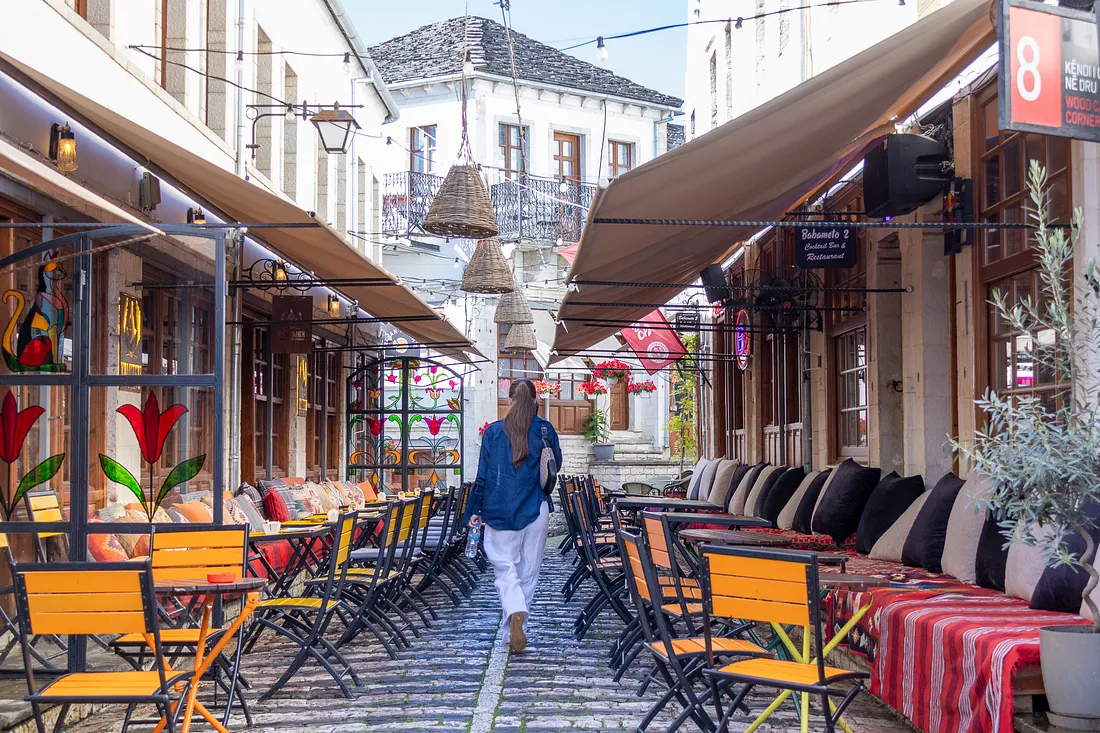
Popular landmarks can be memorable and exhausting at the same time. Crowded tourist attractions are easier to enjoy when you plan around visitor patterns instead of arriving during the busiest part of the day.
A small timing change can mean shorter lines, cleaner photos, easier parking, and more room to appreciate the place itself.
Understand Where the Crowds Come From
Crowds rarely stay equally heavy from opening until closing. Large attractions often experience waves caused by tour buses, hotel checkout times, cruise schedules, school groups, lunch breaks, and weekend visitors.
That means a famous location that feels packed at 1 p.m. may feel completely different two hours earlier. Before traveling, your broader travel reading habits can help you collect ideas, but attraction-specific schedules should guide the final plan.
Think in Visitor Waves
Opening time can be especially useful at museums, monuments, observation decks, and historic sites. Late afternoon may also work when day-trippers start leaving.
The best window depends on the attraction, so check official opening hours and any timed-entry requirements before choosing your arrival time.
Plan Your Day Around One Priority Attraction
Trying to visit several famous places during their peak periods usually creates unnecessary waiting. Choose the attraction that matters most and give it the strongest time slot.
Keep trip-planning notes organized by neighborhood, reservation time, transportation needs, and backup options. This prevents one delayed stop from throwing the entire day off schedule.
| Planning Factor | Busier Choice | Smarter Alternative |
|---|---|---|
| Arrival | Midday | Near opening |
| Meals | Noon nearby | Earlier or later |
| Photos | Main viewpoint | Side viewpoints |
| Movement | Fixed schedule | Flexible blocks |
Use Alternative Entrances and Viewpoints
The most obvious entrance isn’t always the fastest. Large parks, museums, markets, and public attractions may have several access points, although visitors should use only entrances officially open to the public.
The same principle works for photography. A famous landmark can often be seen from quieter side streets, public gardens, riverside paths, or secondary observation areas.
Travelers gathering shared travel ideas can use inspiration as a starting point, then confirm access rules through the attraction or local tourism authority.
Build Breaks Into Busy Sightseeing Days
Crowd fatigue isn’t only about standing in line. Noise, constant movement, heat, limited seating, and repeated decisions can make an otherwise enjoyable trip feel rushed.
Plan a café stop, quiet park, long lunch, or hotel break after a heavily visited attraction. Leaving open space in the schedule can make the rest of the day more enjoyable than squeezing in one additional landmark.
Where Crowd-Avoidance Plans Go Wrong
Arriving early doesn’t guarantee an empty attraction. Special events, holidays, school vacations, cruise arrivals, weather changes, or limited operating hours can completely change normal visitor patterns.
Another mistake is avoiding famous attractions altogether because they’re popular. Some places are crowded for a good reason. The goal isn’t to eliminate every other visitor; it’s to reduce unnecessary waiting while still seeing the places that made you want to travel there.
Frequently Asked Questions
What time are tourist attractions usually least crowded?
Opening time is often a useful starting point, while late afternoon can also be quieter at some locations. Crowd patterns differ by attraction, season, weekday, local events, and reservation system, so check current information before visiting.
Are weekdays always better for sightseeing?
Weekdays frequently reduce local weekend traffic, but they aren’t automatically quiet. School groups, conventions, cruise passengers, holidays, and seasonal tourism can make a weekday busier than expected.
Should I buy timed-entry tickets in advance?
For attractions that offer timed admission, advance booking can reduce uncertainty and prevent sold-out entry periods. Read the cancellation and arrival rules first, especially if weather or transportation delays could affect your schedule.
Make Timing Part of the Experience
A good sightseeing plan isn’t the one with the most stops. It’s the one that gives important places enough time to be enjoyable.
Choose your highest-priority attraction, check its current schedule, identify a quieter arrival window, and leave some flexibility around it. A city feels far more rewarding when you’re experiencing it instead of spending half the day waiting to get inside.