
Clashing clothing colors can make a perfectly good outfit feel unsettled, even when every individual piece fits well. The fix usually isn’t buying new clothes. A smaller, more controlled palette makes coordination easier and gives accessories, shoes, and statement pieces room to work without competing for attention.
Why Some Color Combinations Feel Too Busy
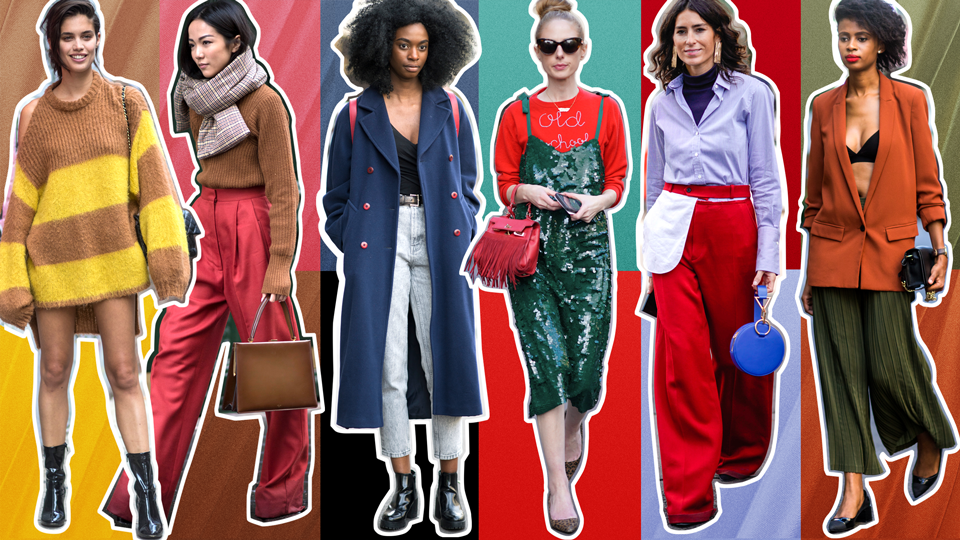
Color problems often start when several pieces demand equal attention. A bright shirt, patterned trousers, colorful sneakers, and a contrasting jacket can each look appealing alone while creating visual noise together.
Instead of judging colors separately, look at the outfit as one composition. Most everyday combinations feel cleaner when one color leads, another supports it, and smaller accents provide contrast.
Give One Color the Main Role
Choose the strongest color first. It might be navy trousers, an olive jacket, a burgundy sweater, or a brighter piece you want people to notice.
Then build around it using quieter shades. Browsing everyday outfit inspiration may help you notice how restrained combinations often look more intentional than outfits containing several competing accents.
Build Around Simple Neutral Foundations
Neutrals make useful connecting colors because they can separate stronger shades. Black, white, gray, navy, beige, denim blue, brown, and cream all help reduce the feeling that colors are fighting.
You don’t need an entirely neutral wardrobe. Think of neutral pieces as breathing room between stronger tones.
| Color Problem | Cleaner Approach | Easy Example |
|---|---|---|
| Too many bright shades | Keep one dominant accent | Red shirt, dark jeans |
| Competing patterns | Use one patterned piece | Plaid jacket, plain trousers |
| Harsh contrast | Add a neutral layer | Bright top, beige coat |
| Random accessories | Repeat one accent color | Brown belt and shoes |
Repeat Colors Instead of Adding New Ones
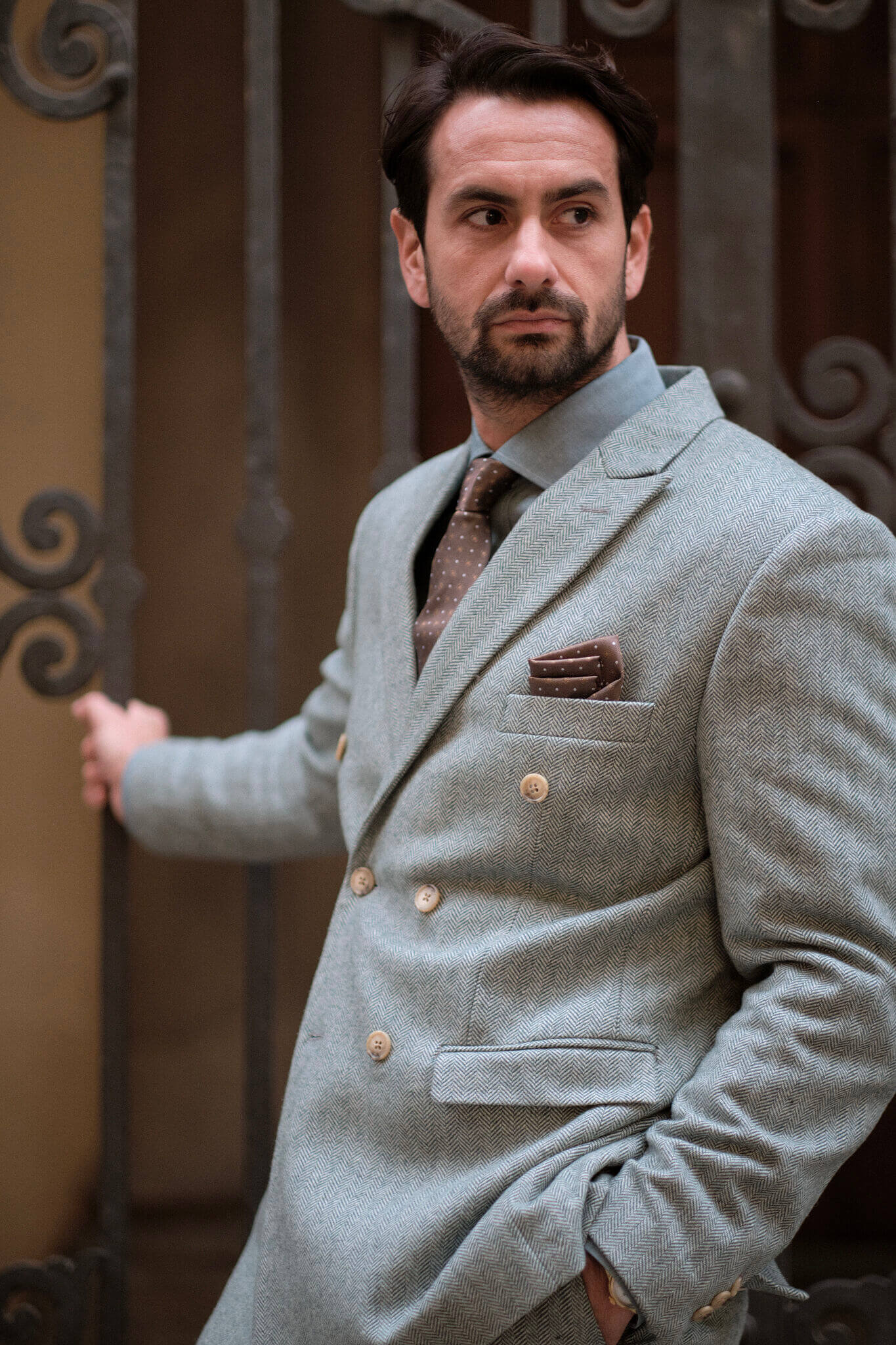
A coordinated outfit often contains subtle repetition. Shoes might echo the brown in a belt, while a scarf picks up a small color already present in a shirt or jacket.
That approach connects separate pieces without making the outfit look overly planned. Collections of practical wardrobe combinations can also provide ideas for seeing how repeated tones create consistency across different layers.
Use Similar Tones Carefully
Colors don’t have to match exactly. Camel and chocolate brown can work together, just as light gray can sit comfortably beside charcoal.
Keeping shades within the same general family can create depth without introducing another unrelated color.
Let Accessories Support the Outfit
Accessories are often where a controlled palette starts falling apart. A colorful belt, bold bag, bright hat, and statement shoes can quickly become four separate focal points.
Choose one or two accessories that reinforce the existing palette. Looking through simple style references can offer useful examples of how smaller details support an outfit rather than overpower it.
Metal accessories deserve attention too. Repeating silver-tone or gold-tone details can quietly make watches, buckles, jewelry, and bags feel connected.
Where Color Coordination Often Goes Wrong
One common mistake is believing every color must match perfectly. Exact matching can make an outfit feel rigid, especially when the shades are close but noticeably different.
Another problem is relying on complicated color rules instead of looking at the whole outfit. A technically acceptable combination can still seem busy because of fabric texture, pattern scale, or accessory choices. Coordination works best when the eye has a clear place to rest.
Frequently Asked Questions
How many colors should an everyday outfit have?
Two or three noticeable colors are usually easier to coordinate than a larger mix. Neutrals can act as supporting shades without making the outfit feel crowded.
Do shoes need to match a shirt or trousers?
No. Shoes usually need to relate to the overall palette rather than copy one garment exactly. Neutral footwear can connect several colors without creating another focal point.
Can two bright colors work together?
Yes, especially when one is used in a smaller amount. A bright top with a smaller contrasting accessory often feels more balanced than using two large blocks of intense color.
Make Your Palette Easier to Manage
Start with the piece you most want to wear, then remove colors rather than adding more. A dominant shade, one supporting color, and a few neutral elements will solve many coordination problems. Once that foundation feels balanced, accessories can add personality without making the outfit look confused.